Hey there, fellow sport lovers and sock enthusiasts! Let’s be real—how many times have you tossed your sweaty, post-workout sport socks into the washing machine right alongside your gym gear, only to pull them out still smelling like a cross between a locker room and a forgotten gym bag? As someone who runs a sport sock supply company, I’ve tested every trick in the book to make sure my team’s high-performance socks (and your personal pairs) stay in top shape, no matter how intense your next session is. Today, I’m spilling all the science-backed, no-BS tips to wash sport socks in the washing machine—because trust me, there’s a way to do this right (and a lot of wrong ways I’ve seen way too often). Sport Socks
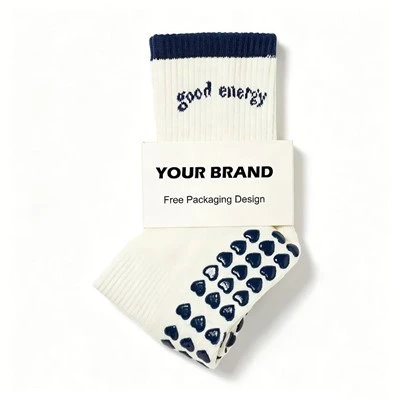
First off, let’s talk about why regular old sock-washing might not cut it for your sport pairs. Sport socks aren’t just fluffy cotton tubes—most are made with technical fabrics like polyester, nylon, spandex, or even merino wool, designed to wick sweat, fight blisters, and keep your feet dry during runs, hoops, or gym sessions. Those fabrics have tiny pores that get clogged with dirt, sweat, and that funky bacteria that causes odor—stuff your standard washing cycle doesn’t always target. Tossing them in with your regular laundry can also lead to pilling, stretched elastics (the stuff that makes your socks stay up), or even the color bleeding all over your white tees—ask me how I learned that one.
So, let’s start with the pre-wash step, because you can’t just toss these in without a little prep. Here’s what I do (and what I tell all my wholesale clients who run team sports programs): first, empty each sock and shake ‘em out. I know, it sounds silly, but when you’re pulling socks off after a 5-mile run, there’s usually a little bit of grass, sand, or even dried sweat caked in the toe. Give ‘em a good shake—over a laundry bin or outside, if you can—to get rid of the big stuff. Next, turn each sock inside out. Why? Because the inside is where all the sweat and bacteria hide, plus turning ‘em inside out helps prevent the outer fabric (the part that touches your shoes) from pilling on the drum. It also stops elastics from getting stretched out by the agitator. Pro tip: don’t bunch socks together—pair ‘em loosely so air can circulate, which helps the detergent work better.
Now, what about sorting? I know, sorting is the worst, but it matters for sport socks. First, separate colors—obviously, don’t throw your neon running socks in with your white basketball socks, unless you want a whole load of gray socks. But beyond that, separate heavy-duty sport socks from delicate ones. Wait, what? Yeah—if you’ve got pair that’s made for crossfit (thick, durable, lots of spandex) and a pair of lightweight running socks, washing them together might make the thinner ones pill. Also, don’t wash your sport socks with items that have zippers or Velcro—think: jeans, hoodies, those workout shorts with the pocket zipper. Zippers can snag the fabric, and Velcro will cling to the sock’s fibers, pulling them loose. I always tell my clients to use a mesh laundry bag for sport socks, especially if they’re washing multiple pairs at once. It’s like a little safe space for your socks—keeps ‘em from getting tangled, prevents snags, and stops ‘em from getting lost in the bottom of the drum. Worth every penny, trust me.
Next up, the detergent choice. This is where most people go wrong. Regular laundry detergent is fine for cotton socks, but sport socks need something that fights odor without breaking down the technical fabrics. Skip the fabric softener and bleach—big no-nos. Fabric softener coats the fabric’s wicking fibers, making them less effective at pulling sweat away from your feet. Bleach eats away at the elastics and can make the colors fade way faster, which is why my company’s sport socks come with a little tag that says “no bleach” for a reason. Instead, use a mild, sport-specific detergent—you know, the kind made for workout gear. If you don’t want to buy a separate bottle, use a liquid detergent (powder can leave residue in the sock’s pores) that’s free of enzymes? Wait, no—wait, enzymes are actually good for breaking down sweat stains. Wait, let me correct that: use a mild liquid detergent with enzymatic cleaners, because those target the protein in sweat that causes odor. Just avoid anything with heavy fragrances—those can irritate sensitive skin, which a lot of sport folks have from all the sweaty feet. For a standard load of sport socks, about a tablespoon of detergent is enough—don’t overdo it, because leftover detergent can also clog the fabric’s pores.
Now, the washing machine settings. This is where science comes in. Most people just throw socks in on “normal” cycle, but sport socks need a little more care. First, water temperature: cold water is best. Why? Hot water can shrink the fabric (especially if there’s spandex or wool) and set in stains, plus it’s harder on the environment. Wait, but what if your socks are super stinky? A quick 10-minute pre-soak in cold water with a little vinegar? Wait, no—wait, the washing machine can handle that, but let’s stick to settings. Use a gentle or delicate cycle. The agitator in top-loading machines is tough on socks—so if you have a front-loader, that’s even better because it’s gentler. The gentle cycle has slower spin speeds and less agitation, which keeps the elastics stretched out and prevents pilling. Also, don’t overload the machine—if you stuff it full, the socks can’t move around, so the detergent doesn’t work as well. I usually wash 6-8 pairs of sport socks at a time, max.
Wait, what about that super stubborn post-workout smell? I get it—sometimes even after washing, your socks still smell like you just ran a marathon. There’s a quick fix: add a half-cup of white vinegar to the rinse cycle, not the wash. Vinegar is natural, it cuts through bacteria without damaging the fabric, and it neutralizes odor way better than those air fresheners you can spray on socks. Just make sure you don’t mix vinegar and bleach—totally not a good combo, that’s a recipe for stinky fumes. Another trick: if your socks are really stinky, let them soak in a sink of cold water with a quarter-cup of baking soda for 30 minutes before tossing them in the wash. That pre-treatment takes care of the worst of the bacteria before the washing even starts.
Now, the drying part—don’t make the mistake here, because drying is just as important as washing. A lot of people toss socks in the dryer on high heat, which is a big no. High heat melts the spandex, makes the elastics go all floppy (so your socks slip down mid-run), and can shrink the fabric. So what’s the best way? Air dry. Hang ‘em up on a drying rack, or lay ‘em flat. If you must use a dryer, use the low-heat tumble setting, and take ‘em out while they’re still slightly damp—they’ll finish drying on their own, and it’s easier to pair them up before they get all crinkled. Pro tip from my team: never leave sport socks in a hot dryer for hours—we once had a batch of custom team socks that shrank so much they fit a toddler’s feet, and that was a disaster for a local high school basketball team. Don’t be that person.
Wait, let’s talk about some common mistakes I’ve seen as a sport sock supplier. First, washing socks with underwear—no, that’s not gross, but underwear has lint, and lint sticks to the soft parts of sport socks, which is annoying. Second, not pairing socks before drying—leaving them loose in the dryer means you’ll end up with 7 single socks and one pair that’s gone forever. Third, using too much detergent—like, way too much. I’ve seen people pour a whole cup of detergent because they think it’ll get socks cleaner, but it just leaves a residue that makes socks feel stiff and doesn’t fight odor. Fourth, overloading the washer or dryer—seriously, give your socks room to breathe.
Now, let’s wrap this up with a little note from your friendly neighborhood sport sock supplier. At the end of the day, taking care of your sport socks isn’t just about keeping ‘em smelling good—it’s about making sure they perform the way they’re supposed to. A good pair of sport socks is an investment, whether you’re a casual runner, a weekend soccer player, or a coach with a whole team to outfit. If you’re looking for high-quality, durable sport socks that stand up to all the washing and all the workouts, hit me up for a supply or wholesale chat. No gimmicks, no weird hoops—just solid socks and solid tips.
Wait, one last quick check: did I miss anything? Oh, right—what about hand-washing? Is that necessary? For a single pair of extra-special socks (like those merino wool ones for long-distance runs), hand-washing is fine, but for most sport socks, the washing machine method I laid out works just as well and is way faster. Just stick to the steps: prep, sort, use mild detergent, gentle cycle, cold water, air dry, and you’re golden.
Alright, that’s all the tea (well, the sock tea) I’ve got for today. Next time you pull a pair of sport socks out of the wash that feel soft, smell fresh, and stay up, you’ll know exactly why. Now go wash those socks, and if you need a reliable supply for your team, gear shop, or personal use, feel free to reach out for a sourcing chat. Thanks for reading!
Sport Socks References
- Textile Care Institute. (2022). Care Guidelines for Technical Performance Fabrics.
- American Cleaning Institute. (2021). Best Practices for Washing Athletic Apparel.
- Merino Wool Association. (2023). Care Tips for Natural Fiber Sport Socks.
- International Society of Sports Nutrition. (2020). Fabric Care for Activewear to Maintain Performance.
Zhuji Fuchun Knitting Co., Ltd.
As one of the most professional sport socks manufacturers and suppliers in China, we offer a wide range of products with superior quality. Please feel free to wholesale bulk high quality sport socks made in China here from our factory.
Address: Building 6, No.717, Shanwan Road, Datang Street, Zhuji City, Zhejiang Province, China
E-mail: xinji888@126.com
WebSite: https://www.fuchunsocks.com/
