If you’re reading this, chances are you’ve found yourself staring at your Ingersoll Rand air compressor one morning, waiting for it to kick on, only to be met with that sluggish, groaning sound that makes your workshop or production line grind to a halt. As someone who’s been an Ingersoll Rand air compressor supplier for over a decade, I’ve seen this exact scenario play out dozens of times, and more often than not, it’s not a death sentence for your machine—it’s a symptom of something fixable. Let’s break down exactly what causes an Ingersoll Rand air compressor to start slowly, straight from the techs I work with and the thousands of units we’ve serviced over the years. Ingersoll Rand Air Compressor
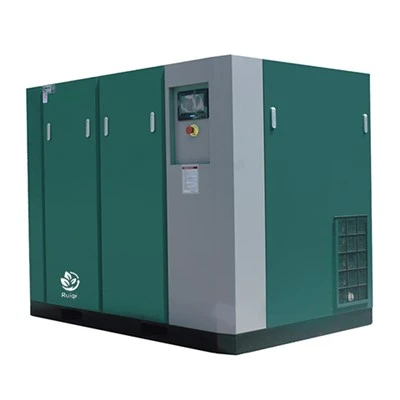
First, let’s get one thing clear: Ingersoll Rand builds their compressors to run through tough conditions, but even the most reliable equipment has weak points that show up when starting up. When a compressor starts slowly, it’s not just a minor annoyance—it’s your machine’s way of telling you that it’s working harder than it should to get moving, which can lead to higher energy bills, premature wear on parts, and even unexpected downtime if left unaddressed. Let’s start with the most common culprit, one that surprises a lot of new operators: inlet valve and unloader issues.
Ingersoll Rand compressors are designed with unloaders to make starting easier. When the compressor shuts off, these unloader valves release the pressure trapped in the cylinder or inlet manifold, so the motor doesn’t have to work against full system pressure to spin the pump back up. That’s the whole point—they’re supposed to keep startup smooth, not make it slow. Over time, though, carbon buildup, dirt, or wear can cause these unloader valves to stick closed. If the valve can’t release the trapped pressure, the motor has to crank against the full force of that pressure, which makes the startup sequence drag on for seconds instead of happening in milliseconds. I remember a client in the food processing industry who had this problem last year; they’d noticed their compressor took almost 10 seconds to start, which was throwing off their entire packaging line. When our techs pulled the inlet unloader, they found a thick layer of food residue caked on the valve seat, keeping it from opening. Cleaning that valve fixed the slow startup immediately, and we didn’t even have to replace any parts. The same goes for inlet valves themselves—if they’re damaged, bent, or covered in grime, they can’t regulate the pressure properly during startup, leading to that sluggish spin.
Next up, and maybe the most impactful for electrical start systems, is the motor and its related components. Ingersoll Rand uses a range of motors for their compressors—from smaller direct-drive units to larger belt-drive models—and any issue with the motor or its starting mechanism will show up as a slow startup. Let’s start with the start capacitor and relay. These two parts work together to give the motor that extra jolt of torque it needs to break inertia and start spinning, especially when the compressor is under load or in a cold environment. Over time, start capacitors can lose their charge as they age, or get damaged by power surges. A relay that’s worn out can fail to switch the capacitor out of the circuit once the motor is running, or not activate it at all during startup. The result? The motor doesn’t get enough initial torque, so it takes longer to spin the compressor pump, leading to a slow start. We also see a lot of issues with motor windings on older units. If the windings have insulation damage from heat, dust, or age, they can cause inconsistent power delivery, which makes the motor struggle to build speed during startup. Last winter, a manufacturing client called us panicking because their two Ingersoll Rand reciprocating compressors were starting so slowly they’d trip the circuit breaker. Testing the motors showed that the windings on both units had developed minor shorts after a cold snap had the compressors running at full capacity for weeks. Replacing the motor windings and updating their winter maintenance routine fixed the issue for good. Don’t overlook voltage issues either—low line voltage, faulty wiring, or undersized power cables can reduce the amount of current reaching the motor, leaving it without enough power to get the compressor moving quickly. Our techs always recommend testing the incoming voltage at the compressor’s disconnect switch first when diagnosing slow startups, because a simple wiring upgrade is often cheaper and faster than replacing compressor parts.
Moving past the mechanical and electrical parts that get most of the attention, there’s the compressor pump itself, and more specifically, the condition of the pump’s internal components. The pump is the part that actually compresses air, and if its moving parts are worn or damaged, it will take far more effort to start up. Piston rings, for example, are designed to seal the cylinder, preventing compressed air from leaking back. When piston rings wear out from thousands of hours of use, or get damaged by dirt and debris in the air intake, they can lose their seal. This means that when the compressor starts, the air that should be trapped in the cylinder leaks out, so the motor has to work harder to build pressure, leading to a slow startup. We’ve also seen cases of worn crankshaft bearings or connecting rod bearings on reciprocating compressors, and belt issues on rotary screw models. If a belt on a rotary screw compressor is too tight, it puts extra strain on the motor during startup; if it’s too loose, it slips, so the pump doesn’t spin at full speed even when the motor is running. A client in the automotive repair industry had a rotary screw compressor that started slowly over the course of six months. When our technicians checked, they found the belt was stretched so loose that it was slipping as the motor tried to turn the pump. Tensioning the belt to Ingersoll Rand’s exact specifications fixed the slow startup immediately, and also improved the compressor’s overall efficiency by 7%. For reciprocating compressors, worn wrist pins or cylinder walls can create extra friction during startup, making the motor work against more resistance. In some cases, this friction can even cause the motor to overheat if the slow startup is prolonged, leading to additional damage if not addressed.
Another factor that’s often overlooked is temperature and ambient conditions, especially for units used in unheated spaces or extreme climates. Ingersoll Rand compressors are rated to operate in a range of temperatures, but when it’s extremely cold, several parts can behave differently. The compressor’s lubricating oil, for example, thickens when it’s cold. If the oil is too thick to circulate properly during startup, it doesn’t lubricate the pump’s moving parts enough, leading to increased friction that slows down the startup. We see this every winter with clients who store their compressors in unheated warehouses; their compressors will take twice as long to start on 20°F days as they do on 50°F days. In some cases, using a compatible cold-weather oil as recommended by Ingersoll Rand can solve this issue, but we also advise clients to insulate their compressor enclosures if they’re operating in consistently cold temperatures. On the flip side, extremely high ambient temperatures can cause issues too. If the compressor is located in a space with poor ventilation, the heat can cause the motor’s windings to heat up, leading to higher resistance and less power available for startup. It can also thin the lubricating oil too much, which might not seem like it would cause a slow startup, but inconsistent lubrication can lead to uneven friction across the pump’s parts during startup. Last summer, a client in a metal fabrication shop had their compressor starting slowly every afternoon, right when their production was at peak. Their workshop only had one small window for ventilation, so temperatures inside hit 90°F regularly. Installing a small exhaust fan to cool the compressor down fixed the afternoon slow startups, and their energy bills went down too because the compressor was running more efficiently in cooler conditions.
Wait, let’s not forget about control system issues, which are super common on newer Ingersoll Rand models with digital controls. Modern Ingersoll Rand compressors use advanced control panels to regulate startup, shutdown, and pressure levels, and a glitch in the control system can lead to a slow startup. For example, if the control panel isn’t receiving the right signal from the pressure switch, it might delay the unloader valve operation, so the unloader doesn’t open when it’s supposed to during startup. Or if the control system has a software bug (rare, but we’ve seen it a handful of times over the years), it might extend the startup sequence to check for faults, which makes it seem like the compressor is starting slowly. Another control-related issue is a faulty pressure transducer, which measures the system’s pressure. If the transducer is giving the control panel inaccurate readings, the panel might not trigger the start sequence correctly, leading to a lag in startup. We had a client with a 5-year-old Ingersoll Rand rotary screw compressor that started slowly every time they turned it on, and after ruling out all mechanical and electrical issues, our techs did a full control system check and found the pressure transducer was miscalibrated. Recalibrating it to Ingersoll Rand’s factory settings fixed the issue in 15 minutes, no part replacement needed.
Now, I want to be clear: not every slow startup is a sign that your compressor is on its last legs, but ignoring these issues can lead to bigger problems down the line. We’ve seen clients who put off fixing a slow unloader valve end up with a burnt-out motor a few months later, because the motor was working too hard every time they started the compressor. We’ve also seen piston ring wear turn into complete pump failure because the owner didn’t address the slow startup early on. The good news is that most of these issues are easy to catch with routine maintenance, which is why as an Ingersoll Rand air compressor supplier, we always stress proactive care over reactive repairs.
If you’re dealing with a slow-starting Ingersoll Rand air compressor, the first step is to document what’s happening. Is it only happening when the weather is cold? Does it trip the circuit breaker after a long startup? Have you noticed higher than usual energy bills lately? Taking note of these details will help our technicians diagnose the problem faster when you reach out. We offer comprehensive maintenance services for Ingersoll Rand units, including unloader valve cleaning, motor testing, belt tension checks, control system diagnostics, and oil changes with the exact Ingersoll Rand-recommended lubricants. We also stock genuine Ingersoll Rand replacement parts, so we can fix most slow startup issues during the first service visit, no waiting for parts to ship.
Whether you run a small auto repair shop with one reciprocating compressor or a large manufacturing facility with multiple rotary screw Ingersoll Rand units, slow startups don’t have to be a permanent hassle. By addressing the root cause—whether it’s a minor unloader valve issue, a worn belt, or a simple control system calibration—you can get your compressor running smoothly again, avoid unexpected downtime, and keep your energy costs in check.

If you’re tired of dealing with slow-starting air compressors that throw off your operations, or if you want to set up a routine maintenance plan to prevent these issues from happening in the first place, reach out to our team to connect for procurement and service discussions. We work with businesses across all industries, from small workshops to large production facilities, and we know exactly how to keep your Ingersoll Rand equipment running at peak performance.
Ingersoll Rand Air Compressor Parts References:
Ingersoll Rand Compressor Maintenance Manual, Ingersoll Rand 2022
Industrial Air Compressor Troubleshooting Guide, Compressed Air and Gas Institute 2021
Motor Start Capacitor and Relay Functionality, National Electrical Manufacturers Association 2020
Ambient Temperature Effects on Industrial Lubricants, Society of Tribologists and Lubrication Engineers 2019
Suzhou Ruiqi Intelligent Equipment Co., Ltd.
As one of the most professional ingersoll rand air compressor manufacturers and suppliers in China, we also support custom service. As we have world-leading production equipment and strong manufacturing capabilities, we warmly welcome you to buy high quality ingersoll rand air compressor made in China here from our factory. Contact us for pricelist.
Address: No. 1729, Zhongshan South Road, Wujiang District, Suzhou City, Jiangsu Province, China, 16th Floor
E-mail: wts476626494@126.com
WebSite: https://www.ruiqicomp.com/
