If you’ve ever walked through a print shop, packaging facility, or even a large office break room, chances are you’ve seen stacks of neatly cut paper stacked and organized without a second thought. What you might not have noticed, though, is the quiet workhorse behind those stacks: the paper cross cutting machine. When space is tight, operations are small to mid-sized, and budgets can’t stretch to a large, industrial model, that’s where the compact paper cross cutting machine comes in. As a supplier who’s worked with hundreds of businesses to match the right equipment to their needs, I’ve seen first-hand how this specific piece of machinery solves more problems than most people realize—if you know what it is, what it does, and when it’s worth investing in one. Paper Cross Cutting Machine
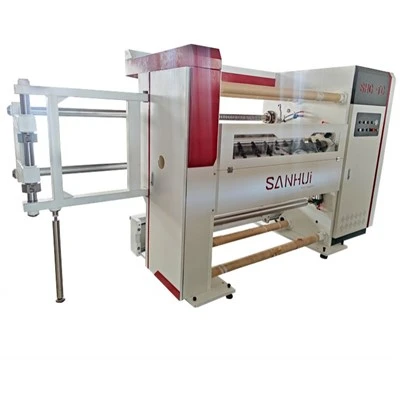
Let’s start with the basics, to cut through the confusion between similar equipment. A paper cross cutting machine is, at its core, a device that takes a large, continuous roll of paper (or sometimes multiple smaller rolls) and cuts it into uniform, flat sheets of a desired size. The “cross” part comes from how it cuts: if you think of a roll of paper as a long, thin tube unrolling in a straight line, the cross cut is the cut that goes across the direction the paper is moving, perpendicular to the length. This is different from a slitter, which only makes lengthwise cuts to narrow a roll into smaller widths, or a guillotine cutter, which cuts already flat sheets. The compact version of this machine is exactly what it sounds like: a scaled-down, space-efficient model of that core design, built for operations that don’t need the speed, capacity, or footprint of a full industrial cross cutter.
What sets a compact model apart from its larger cousins is less about performance capability and more about intended use and practical constraints. A standard industrial cross cutting machine can run at speeds of hundreds of feet per minute, handle rolls that weigh thousands of pounds, and have a cutting bed large enough to process sheets the size of a large poster or even a banner. A compact model? It’s built for smaller outputs, with speeds that range from 50 to 200 feet per minute—fast enough for small print runs, in-house office use, or small batch packaging, but not so fast that you’d outgrow it if you’re not churning out thousands of sheets an hour. The roll capacity is also smaller, typically handling rolls that weigh 50 to 500 pounds, which fits the supply chain for small to mid-sized businesses that order paper in bulk but not in the massive 10,000-pound rolls that big factories use. Most importantly, a compact machine’s footprint is drastically smaller: while an industrial cross cutter can take up 20 or more feet of floor space, a good compact model often fits into a 6 by 8 foot area, sometimes even less if it’s a bench-top unit for very small spaces.
But to really understand what a compact paper cross cutting machine does, let’s break down its key components, because that’s where you see how it’s optimized for small operations. First, the roll stand: this is the part that holds the large paper roll, and on a compact machine, it’s designed to be easy to load—no special equipment or heavy-duty rigging needed, unlike industrial models that require forklifts to move 1,000-pound rolls. Most compact stands have a simple locking mechanism that lets you slide a roll into place, adjust the tension, and get started in minutes. Next is the feeding system: this pulls the paper through the machine, and for compact models, it’s usually a set of rubber rollers that grip the paper gently but securely, so you don’t get misfeeds or wrinkled sheets. Some higher-end compact models have automatic feeding, but even the basic ones work manually, which keeps the cost low for small businesses.
Then comes the cutting mechanism, which is the heart of any cross cutter. Compact paper cross cutting machines almost always use either a rotary knife or a shear blade, both optimized for thin to medium-weight paper (think copy paper, cardstock, labels, or even lightweight corrugated cardboard for small packaging). Rotary knives are round, sharp blades that spin as the paper moves past them, making clean, fast cuts that are perfect for high-volume small batches. Shear blades, on the other hand, work like a pair of giant scissors—one blade fixed, one moving across it to cut the paper—they make even quieter cuts, which is a big plus for small offices or shared workspaces where noise is a concern. On a compact machine, the cutting area is adjustable: you can set the desired sheet size, and the machine will stop the paper automatically when it reaches that length, making cuts that are precise to within a fraction of an inch. That precision is key, because even small errors can waste expensive paper, and compact models are built to deliver that consistency without the cost of industrial calibration tools.
What I’ve learned as a supplier is that the best compact paper cross cutting machines aren’t just “small industrial machines”—they’re designed for the unique pain points of businesses that don’t have a dedicated production floor, a full-time operations team, or a huge budget. Let’s be real: a small print shop that does 500 business cards a day, a local bakery that prints custom labels for its treats, a school district that needs to make custom worksheets for its classrooms, or a non-profit that prints marketing flyers on a tight schedule doesn’t need a machine that can run 24 hours a day, but they do need something that’s reliable, easy to use, and takes up space that they actually have. I’ve had a customer come to me last year who ran a small graphic design studio in a 1,000 square foot space above a coffee shop—they were using a manual guillotine cutter before, and it would take them an hour to cut 100 sheets of cardstock, with half the sheets being slightly off-size. They invested in a compact cross cutting machine, and suddenly they could cut 500 identical sheets in 10 minutes, with no hand adjustment needed. That’s the kind of impact this machine makes that people don’t always see when they’re looking at bigger, flashier equipment.
Another key benefit of compact paper cross cutting machines is their versatility, which is often overlooked. A lot of people think they only work with plain copy paper, but most good models can handle a wide range of materials: cardstock up to 120 lb, glossy paper for brochures, label stock, thin plastic films for small packaging, even fabric for small craft projects. I’ve supplied machines to a local stationery maker who uses theirs to cut custom sizes of patterned paper for wedding invitations, and a small e-commerce business that uses theirs to cut custom-sized cardboard inserts for product boxes. You just have to adjust the tension on the rollers and the cutting speed to match the material, which is a simple process that takes a few minutes to learn.
Of course, no machine is perfect, and it’s important to be honest about the limitations of a compact paper cross cutting machine, because that’s how you make the right choice for your business. If you’re running a large retail packaging operation that needs 10,000 custom boxes an hour, a compact model won’t be fast enough, and the roll capacity will be too small to keep up with demand. If you need to cut extra-large sheets, like 48-inch posters, most compact machines top out at 20 to 30 inches, so that’s something to check. Also, while they’re much more affordable than industrial models, compact cross cutters do have a higher cost per sheet for very large runs, because their lower speed means you can’t process as many sheets in an hour. For small to medium batch sizes, though, that cost difference is negligible compared to the time saved and quality gained.
As a supplier, I always tell potential customers to ask themselves three questions before deciding if a compact paper cross cutting machine is right for them: How much floor space do I have? How many sheets am I cutting per week? And what types of materials am I cutting? If the answers are “not much,” “a few hundred to a few thousand,” and “mostly paper, cardstock, or thin packaging materials,” then this is almost always the right fit. I’ve seen too many small businesses overspend on an industrial machine they don’t need, or try to get by with outdated manual equipment that slows them down and causes waste. The compact cross cutter hits that sweet spot between functionality, size, and cost that most small and mid-sized operations are looking for.
Let’s also talk about maintenance, because that’s a big part of why these machines are so popular with busy owners who don’t have a dedicated tech on staff. A good compact paper cross cutting machine requires very little ongoing maintenance. You need to keep the blades sharp—most models have easy-to-replace blades, so you don’t have to pay a technician to come in and swap them out. You need to keep the rollers clean, so they don’t get sticky with paper dust or ink, and you should lubricate the moving parts every few months, which is just a quick spray of a lightweight oil. Unlike industrial machines, which have hundreds of moving parts and complex electronics, compact models are built with simplicity in mind, so troubleshooting is usually as easy as checking if a roll is loaded correctly or if the blade is aligned. I’ve had customers call me at 9 PM on a Friday, panicked because their machine stopped working, and 9 times out of 10, the issue was a loose sensor or a paper jam that they could fix in five minutes, no professional help needed.
Another thing that sets modern compact paper cross cutting machines apart from the models of 10 or 20 years ago is the technology that’s built into them. Basic models are still very manual, with a dial to set the sheet size and a foot pedal to start the cut, but mid-range and higher-end compact models have automatic size adjustment, digital displays that show you how many sheets you’ve cut and what size you’re set to, and even Bluetooth connectivity that lets you sync them with a computer to upload custom size settings. For example, if you’re printing 500 flyers that all need to be 8.5 by 11 inches, you can save that size as a preset on the machine, so you don’t have to adjust the measuring tape or dials every time you run a job. That’s a small feature, but it saves a ton of time, especially if you’re running multiple different jobs throughout the day.
I think one of the biggest myths about compact paper cross cutting machines is that they’re less durable than industrial models. It’s true that they’re not built to run 24 hours a day, 7 days a week, but if you’re using them for their intended purpose—small to medium runs, 8 to 10 hours a day—they’ll last for years. I’ve supplied machines to a local school district that’s been running the same compact model for 12 years, and the only major part they’ve replaced is the blade, which costs less than $50. Compare that to the industrial model a nearby printing plant has, which required a $2,000 repair last year when a part broke because it was being overworked for jobs it wasn’t designed for. Durability isn’t about how big or heavy a machine is—it’s about whether it’s built for the work you’re actually doing.
So who should actually invest in a compact paper cross cutting machine? Let’s name a few industries that I see getting the most value from them: small print and design shops, local packaging and labeling businesses, schools and universities, non-profits, craft and stationery makers, small in-house print departments for mid-sized companies, and even large home-based businesses that have outgrown manual cutting tools. For each of these, the compact cross cutter solves a specific problem: space constraints, labor costs, quality issues, and the need for consistent, fast cuts without the big price tag of industrial equipment.
If you’re currently using a manual guillotine, a paper cutter, or even trying to cut paper with a craft knife (I’ve seen it, and it’s not pretty), you’re wasting hours of time and throwing away expensive paper from misaligned cuts. A compact cross cutting machine pays for itself in a matter of months, usually less. I had a customer who ran a custom invitation business—she was doing all her cutting by hand, and she was working 12 hour days, 6 days a week, just to keep up with orders. She invested in a compact cross cutter, and suddenly she was able to take on more orders, cut her production time by half, and spend more time on designing instead of cutting. That’s the kind of return that makes every penny worth it.
As a supplier, my job isn’t just to sell a machine—it’s to help businesses find the right tool that fits their needs, not the other way around. I always make sure to walk potential customers through the pros and cons, show them examples of the machine in action, and answer all their questions, whether that’s about setup, maintenance, or what materials it can handle. I’ve had customers come in knowing they need a cross cutter but not sure if they need compact or industrial, and after talking through their workflow, they almost always end up going with compact. It’s the sweet spot for so many operations that don’t fit the mold of big factories or tiny hobby setups.
At the end of the day, a compact paper cross cutting machine is more than just a piece of equipment—it’s a solution to a common pain point for small and mid-sized businesses that need to be efficient, consistent, and cost-effective. It’s built to work where space is limited, budgets are tight, and demand is steady but not overwhelming. If you’re tired of wasting time on manual cutting, dealing with inconsistent sheet sizes, or outgrowing tools that are too small to keep up but too big to afford, this might be exactly what you’re looking for.
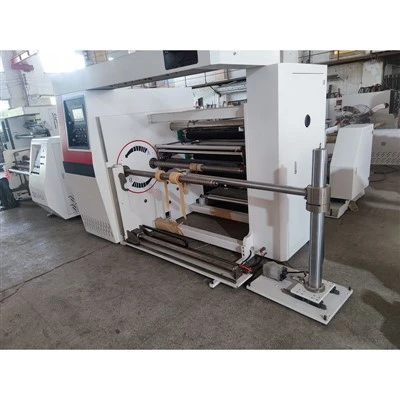
If you’d like to learn more about how a compact paper cross cutting machine could work for your operation, I’m here to help. We can walk through your workflow, your space, and your needs to find the right model for you.
Self-adhesive Machine References:
- “Guidelines for Selecting Paper Converting Equipment,” Paper and Packaging Technical Association, 2022.
- “Compact Production Equipment for Small and Mid-Sized Print Businesses,” Print Media Association, 2021.
- “Maintenance Best Practices for Cross Cutting Machinery,” Industrial Equipment Maintenance Journal, 2020.
- “Material Compatibility for Small-Scale Paper Cutting Equipment,” Journal of Converting Technologies, 2019.
Wenzhou Sanhui Machinery Manufacturing Co., Ltd.
Wenzhou Sanhui Machinery Manufacturing Co., Ltd. is one of the most professional paper cross cutting machine manufacturers and suppliers in China. We have world-leading production equipment and strong manufacturing capabilities. Please feel free to wholesale advanced paper cross cutting machine made in China here from our factory. Customized orders are welcome.
Address: B17-8, Mechanical Industry Park, Wanquan Light Industry Production Base, Wanquan Town, Pingyang County, Wenzhou City, Zhejiang Province
E-mail: sanhui.slittingmachine@gmail.com
WebSite: https://www.sanhuislittingmachine.com/
