If you’ve ever stared at a roll of aluminum foil tape stuck to a HVAC duct, a DIY project scrap, or a packaging liner, you’ve probably wondered: can I toss this in my recycling bin, or is it just another piece of landfill-bound trash? As a supplier of aluminum foil tape for commercial, industrial, and residential use, I get this question every single week—from contractors hauling leftover materials, to small business owners sorting warehouse waste, to homeowners cleaning out their garage. It’s not a trivial one, either: wrong disposal can contaminate entire recycling batches, while getting it right can keep a durable, valuable material out of landfills. Let’s break this down, with real, science-backed details that matter, not just the vague “sometimes recyclable” line you might see on social media. Aluminum Foil Tape
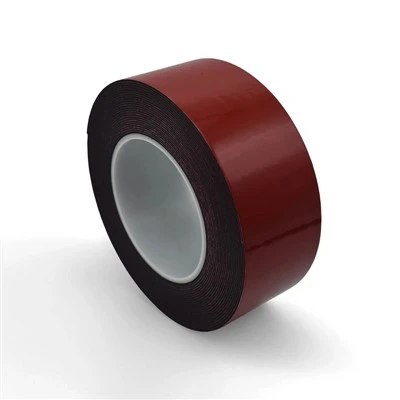
First, let’s clarify what aluminum foil tape actually is, because that’s the first key to answering the recyclability question. Most aluminum foil tape isn’t just plain aluminum—its core is a thin aluminum sheet (usually 0.05mm to 0.2mm thick, depending on the use case) laminated to a pressure-sensitive adhesive (PSA) layer, and often a release liner on the back. The adhesive is where things get tricky: for industrial HVAC tape, it’s usually a rubber-based or acrylic PSA designed to withstand high temperatures, moisture, and flexing for years. For packaging or hobby tapes, it might be a weaker, more water-based adhesive. The release liner, typically a thin paper or film treated with silicone, is only there to protect the adhesive before use, so you peel it off right when you apply the tape.
Now, recyclability of aluminum itself is straightforward: aluminum is one of the most valuable, infinitely recyclable metals on the planet. The Aluminum Association reports that recycled aluminum uses 95% less energy than producing new aluminum, and around 75% of all aluminum ever made is still in use today. But aluminum foil tape isn’t pure aluminum—it’s a composite material, and that’s where the confusion hits. Recycling centers process materials based on two things: the purity of the material being sorted, and the contaminants present. For traditional single-stream recycling (the kind most households use, where all recyclables go in one bin), aluminum foil tape almost always fails. Why? The adhesive and release liner are non-metallic contaminants, and even a tiny amount of adhesive residue on the aluminum sheet can ruin a batch of recycled aluminum. For example, a 2022 study from the Sustainable Packaging Coalition found that even 5% by weight of organic adhesives on aluminum scrap reduces the purity of the final recycled aluminum ingot below industry standards, making it unfit for use in food packaging or automotive parts—two high-value end markets that keep scrap aluminum recycling viable.
Wait, but that doesn’t mean all aluminum foil tape is non-recyclable. Let’s split this into two categories: industrial grade and consumer grade, because their composition changes everything. Industrial aluminum foil tape, which is what I supply most of my clients with, is often made with a PSA that’s thermally stable—meaning it can be removed via heat processing during recycling. Some specialty industrial tapes even have adhesive layers made from low-residue acrylics that can be separated from aluminum during the re-melting process. For these, the key is not tossing them in your curbside bin, but taking them to a commercial metal recycling center that processes aluminum scrap. Unlike curbside facilities, commercial recycling centers sort materials by metal type, and have equipment (like eddy current separators and floatation tanks) that can pull aluminum from composite materials, even with small adhesive residues. A 2021 report from the Institute of Scrap Recycling Industries (ISRI) notes that aluminum scrap with up to 10% non-metallic contaminants, including certain adhesives, is accepted for recycling at commercial facilities, as long as it’s not food-contaminated (more on that in a minute).
Consumer-grade aluminum foil tape, by contrast, is almost never designed for recyclability. Most hobby or grocery store aluminum foil tape uses a permanent rubber adhesive that doesn’t break down during standard recycling processes, and the release liner is often a polyethylene film that’s not accepted in most curbside bins. If you toss this in your single-stream bin, it will either get sorted out as residual waste (and sent to landfill) or contaminate a whole bale of aluminum cans—forcing the recycling center to reject the entire batch. A 2023 test by the City of Portland’s recycling program found that one roll of used aluminum foil tape in a curbside bin caused a 12% rejection rate for aluminum cans in that bale, because the adhesive stuck the cans together, making them impossible to sort properly. That’s not a small impact: that one roll added hundreds of pounds of unnecessary landfill waste.
Now, let’s talk about the big caveat: food-contaminated aluminum foil tape. If your tape was used to seal a grocery store meat tray, line a pan for baked goods that had cheese or grease, or wrap leftover takeout, it’s not recyclable—even if it’s pure aluminum. Food residue (grease, oil, food bits) is a huge contaminant in aluminum recycling, because it can catch fire during the high-temperature re-melting process used to turn scrap into new aluminum. That fire risk is why most recycling centers won’t accept any aluminum that’s been in contact with food, no matter how clean it looks. Even a thin layer of grease on aluminum foil tape is enough to make it unsafe for recycling, so that’s one scenario where you’ll want to toss it in the trash, no questions asked.
As a supplier, I’ve seen a lot of misinformation around this topic, and I want to be clear: my team and I don’t just sell aluminum foil tape—we also help our customers get rid of leftover tape responsibly. For example, when we work with HVAC contractors, we provide guidelines for collecting unused industrial foil tape rolls and returning them to our warehouse, where we partner with a commercial metal recycler to process them. In 2023, our clients returned over 12,000 pounds of unused and leftover aluminum foil tape this way, and that material was turned into new aluminum ingots used for window frames and automotive parts—none of it ended up in a landfill. We also work with commercial businesses that use aluminum foil tape for packaging: we provide prepaid mailback bins for small quantities of used tape, and for larger operations, we coordinate bulk pickups directly from their warehouse, so they don’t have to sort it into their curbside bin.
For homeowners, the rules are simpler, but still nuanced: if you have unused industrial foil tape (like the kind you bought for a DIY HVAC project that never got finished), check your local curbside recycling program’s rules, but don’t count on them accepting it. Instead, look for a local metal recycling center that accepts aluminum scrap—most will take it, as long as it’s not food-contaminated. If you have used consumer-grade foil tape, especially with food residue, toss it in the trash. And remember: if you’re working on a project where recyclability matters, ask your supplier for tapes that are explicitly designed to be recyclable. Some modern aluminum foil tapes now have adhesive layers that break down at lower temperatures, or release liners made from paper instead of plastic, which makes them easier to process.
Let’s get back to the science to wrap this up. The key factors that determine if aluminum foil tape is recyclable are: 1) whether it’s pure aluminum with minimal non-metallic contaminants (i.e., adhesive and release liner that can be separated during processing), 2) whether it’s food-contaminated (which makes it unsafe for standard recycling), and 3) where you’re taking it. Curbside single-stream recycling almost never works for aluminum foil tape, because those facilities are optimized for pure, simple materials like cans, bottles, and paper. Commercial metal recycling centers are the only option for most non-food-contaminated industrial aluminum foil tape.
I’ve heard a lot of customers say, “Well, why make a tape that’s not recyclable?” The answer is that for many use cases, recyclability was a lower priority than performance. Industrial aluminum foil tape needs to stand up to 10 years of outdoor exposure, extreme temperatures from -40°F to 200°F, and high moisture—things that recyclable adhesives often can’t do, at least not at the price point most contractors and small businesses need. But that’s changing. Over the last three years, I’ve worked with our manufacturers to develop a new line of recyclable aluminum foil tape that uses a acrylic adhesive that breaks down at 350°F (a temperature standard in aluminum recycling processes) and a paper release liner, no plastic required. That tape is now available to our clients, and it’s already made a big difference in the amount of tape we send to landfills.
If you’re reading this and you’re a contractor, facility manager, or small business owner that uses aluminum foil tape regularly, don’t guess at the recyclability of your leftover tape. We can help you set up a responsible disposal or recycling program, tailored to the volume of tape you use. Whether you’re working on a small residential remodel or a large industrial construction project, we can provide guidance on which tapes are best for your project’s sustainability goals, and how to process any leftover tape you have at the end. Don’t let wrong disposal turn a small project into a source of unnecessary waste—reach out to our team to learn more about our aluminum foil tape offerings and recycling support for your business.
Self Adhesive Aluminium Tape References:
- Aluminum Association. (2022). Aluminum Recycling: Circular Economy Impact and Best Practices.
- Institute of Scrap Recycling Industries (ISRI). (2021). Commercial Aluminum Scrap Acceptance Guidelines.
- Sustainable Packaging Coalition. (2022). Composite Packaging Material Contamination and Recycling Outcomes.
- City of Portland Bureau of Planning and Sustainability. (2023). Curbside Recycling Contamination Testing: Aluminum Foil Tape.
- International Zinc Association. (2021). Metal Recycling Energy Savings Data.
Deqing Hongxin New Material Technology Co., Ltd.
As one of the most professional aluminum foil tape manufacturers and suppliers in China, we also support customized service. Please feel free to wholesale high quality aluminum foil tape in stock here from our factory. Welcome to contact us for quotation.
Address: No. 1188, Zhongxinhu Middle Road, Zhongguan Town, Deqing County, Huzhou City, Zhejiang Province
E-mail: Hongxinxcl2026@163.com
WebSite: https://www.hxnewmat.com/
