Hey there, if you’re here, you’re probably either a contractor, a facility manager, or just someone who’s been digging into homogeneous vinyl flooring (HVF) for a big project—and wondering, “How do people actually lay this stuff without it looking like a hot mess?” As a supplier who’s dealt with hundreds of customers over the years, I can tell you the pattern you pick isn’t just about looks. It’s about durability, installation speed, and even how well the flooring holds up in high-traffic spots. No fancy jargon, just real talk from someone who’s seen what works (and what turns into a headache later). Homogeneous Vinyl Flooring
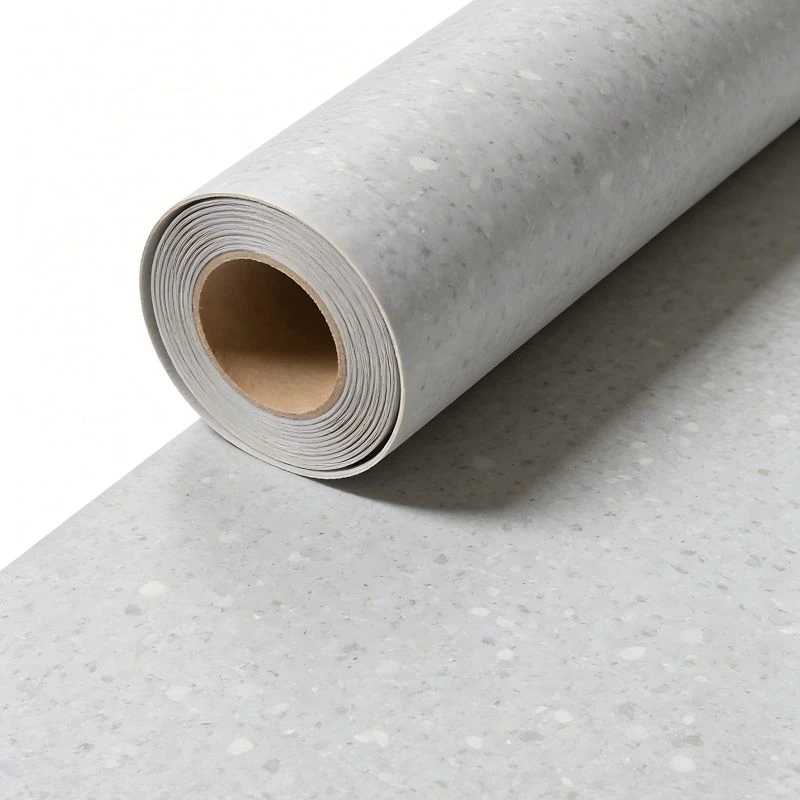
First off, let’s get one thing straight: homogeneous vinyl is different from luxury vinyl planks (LVP) or tile. It’s solid all the way through—if it scratches, you can buff it out, and it’s perfect for places like hospitals, schools, or retail stores where floors get beaten up daily. That means your installation pattern needs to play to that sturdiness, not fight it. I’ve had clients come in asking for super intricate patterns, only to realize halfway through their project that they take way too long to install, costing them time and cash. So let’s break down the popular patterns, who they work for, and when to skip ‘em.
The OG: Straight Lay (Brick Pattern)
This is the bread and butter of HVF—so common, I’d bet you’ve walked on it a hundred times without noticing. It’s just planks or sheets laid straight, parallel to the longest wall in the room, with short joints that offset like a brick wall. Why is it so popular? Installers love it because it’s fast—no tricky cuts, no weird angles, just measure, roll, or lay, and go. For commercial spaces like office hallways or classroom floors, it’s basically foolproof. It also makes small rooms look bigger, since the lines draw your eye along the length of the space.
Wait, but hold on—don’t mix this up with just slapping planks down willy-nilly. To get that clean brick look, you gotta stagger joints at least 6 inches apart, right? If you have a 12-inch plank, skip the next one by half its length so seams don’t line up. I’ve seen new installers cut corners here, and six months later, you’ve got a crack running right down the middle of the room where all the weight concentrated on one seam. Also, for sheet vinyl, straight lay is the only way to go if you’re doing seamless runs—perfect for hospitals where bacteria can hide in gaps. The only downside? It’s pretty plain. If your client wants something that “wows,” this isn’t it. But if they want function over flair, this is your guy.
A Step Up: Offset (Staggered Grid)
If straight lay is boring, offset is the middle ground. This is where you stagger joints more dramatically—like, for a 6-inch wide plank, you stagger every plank by a third or half, so the joints don’t line up in a neat line. It’s super common in retail stores, coffee shops, or lobbies—places that want a little more style without going overboard. I remember a local café client a couple years back who had us supply HVF in a warm gray, and we did offset planks with a 9-inch stagger. When they sent us photos, it looked intentional, not messy. Customers commented on how “nice and uniform” the floor felt, even with the subtle pattern.
The big win here is that it distributes weight better than straight lay. Because joints aren’t aligned, heavy furniture or foot traffic doesn’t pound on the same line over and over. That means fewer cracks, fewer repairs, happier clients. The only catch? You have to measure twice to get the stagger right, especially in rooms with odd angles. If your room has a doorway or a pillar, you might have to cut planks to fit, which adds a little time. But for most commercial spaces, that extra 30 minutes of prep is worth the longevity.
The Bold One: Herringbone (and Chevron)
Okay, now we’re getting into the “wait, that’s vinyl?” territory. Herringbone and chevron are super popular in high-end retail, boutique offices, even upscale restaurants. Herringbone is when planks are cut at a 45-degree angle, laid in a zig-zag that looks like a V broken in the middle. Chevron is similar, but the V’s line up perfectly—no break, so it looks like a continuous arrow. I’ll be honest: these patterns look amazing, but they’re not for every project.
First, installation takes forever. You have to cut every plank to angle, fit them together like a puzzle, and make sure every line is straight. I’ve had installers tell me a herringbone job takes twice as long as a straight lay of the same size. That means higher labor costs, which you have to pass on to the client. But if your client has a space that needs to stand out—like a luxury store entryway or a law firm lobby—this is worth it. Also, HVF works great here because if you scratch a plank, you can just pull it up and replace it, no big deal.
Wait, but don’t do this in a space with super tight corners. If you have a room with lots of nooks and crannies, cutting all those angled pieces will drive you nuts. I once had a client in a historic building with weirdly shaped rooms, and we tried herringbone—cutting 20 different angled planks for one corner alone. They loved how it turned out, but the installer charged extra, and the timeline pushed back a week. So only go for this if the space is clean, open, and the client is okay with the cost.
The Low-Maintenance King: Sheet Seam Pattern
This is for when you want zero seams, period. A lot of healthcare clients go for this—hospitals, clinics, dental offices—because seams are where mold and bacteria grow. The sheet seam pattern is basically laying large sheets of HVF, but the seams are welded together (hot-air welded, not glued) so they’re invisible. The trick here is to align the sheet joints in a way that doesn’t create weak points. Most installers will align seams parallel to doorways or hallways, so you don’t have a cross-seam where people walk the most.
Why is this popular? Seamless floors are way easier to clean and sanitize. You don’t have to scrub gunk out of gaps, and they’re way more durable than tile or planks with visible joints. I had a hospital client last year who switched from tile to HVF sheet seams, and they reported cutting their floor maintenance time in half. The only thing to watch for here is that you have to have a seamless subfloor. If your subfloor has bumps or uneven spots, the seam will show, or the floor will wrinkle. So prep work is key. If you do it right, this pattern looks clean, professional, and lasts for decades.
The Underdog: Running Bond (Long Stagger)
Wait, running bond sounds familiar, right? That’s basically the brick pattern we talked about, but with longer planks—like 24-inch or 36-inch HVF planks, staggered by a third of their length. It’s super popular in long, narrow spaces like hallways or gymnasiums. The long planks make the hallway look longer, since the lines run the whole length of the space, not broken up by small joints. Gyms love this because it distributes the impact of people running and jumping across a wider area, so less stress on the floor.
I supplied a local high school gym a couple years back, and they went with running bond with 3-foot planks. They told us later that the floor has held up way better than the old tile they had before, because there are fewer joints for the impact to hit. The only downside here is that you need to make sure the room is perfectly straight. If the hallway is a little off-kilter, the long planks will look crooked, which is hard to fix. So measure every corner, use a laser level—don’t skip that step.
What to Avoid (No Matter What)
Now, let’s talk about patterns I’ve seen go wrong, so you can skip these. First, random layout with no stagger. I know it’s tempting to just toss planks down and cut them to fit, but if joints line up, you’ll have issues with cracking. Another one: herringbone in small, low-traffic spaces. I once had a coffee shop owner who wanted herringbone in the restroom—tiny room, lots of corners, and by the end of the first month, half the angled planks were peeling because they didn’t have enough subfloor support. Lastly, fancy intricate patterns in areas that get super dirty or need quick cleaning. Patterns with lots of lines and cuts are hard to sweep or mop around, so you’ll end up with dirt trapped in the edges.
Pro Tips From Someone Who’s Seen It All
Before I wrap this up, a few quick hacks that’ll save you headaches: First, always order 5-10% extra material. Cuts go wrong, mistakes happen, and it’s way cheaper to have a few extra planks than to re-order mid-project. Second, match the pattern to the space. High-traffic, functional spaces = straight lay or offset. Spaces that need style = herringbone or chevron. Spaces that need hygiene = sheet seams. Third, test the pattern in a small area first. Lay out a few planks before you start the whole job, see how it looks in the actual light (natural vs. artificial makes a big difference).
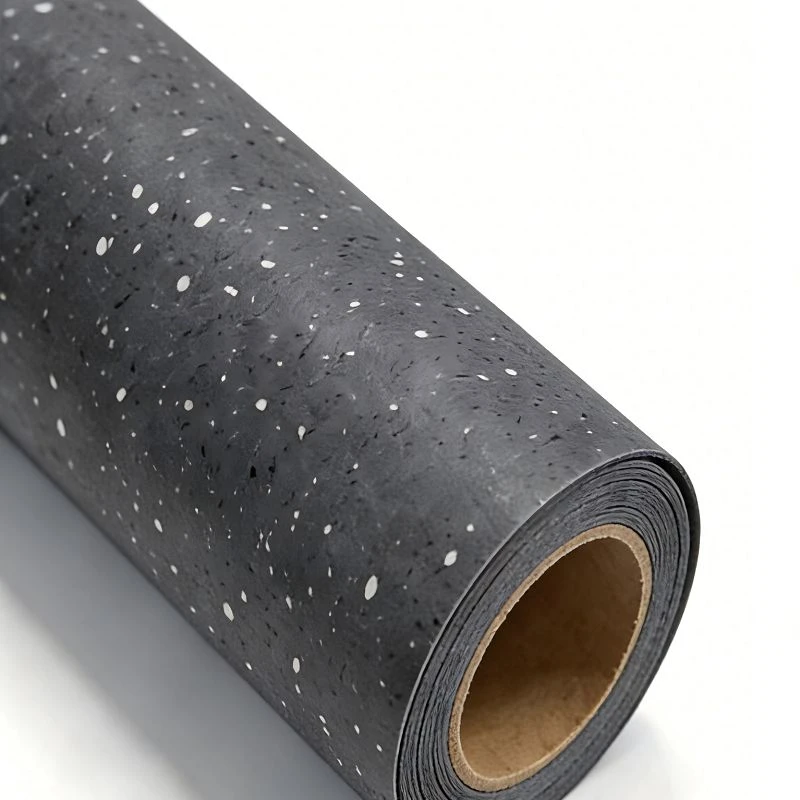
If you’re a contractor or facility manager looking to source HVF for your next project, we’ve got a huge selection of patterns, colors, and thicknesses to fit any space. Whether you need straight lay for an office, herringbone for a boutique, or seamless sheets for a hospital, we can hook you up with the right product and even share installer tips specific to each pattern. Ready to talk through your project details? Reach out, and we’ll walk through what works best for your space, budget, and needs.
Homogeneous Vinyl Flooring References
- National Flooring Association. (2022). Homogeneous Vinyl Flooring Installation Best Practices. NFA Construction Guidelines.
- Health Facilities Management. (2021). Seamless Flooring Solutions for Healthcare Environments. HFM Industry Report.
- Commercial Floor Covering Magazine. (2023). Pattern Selection for High-Traffic Commercial Spaces. CFM Installation Trends.
- Vinyl Institute. (2022). Durability and Maintenance of Homogeneous Vinyl Flooring. VI Technical Bulletin.
Qingdao Xinkailin Environmental Protection Materials Co., Ltd.
As one of the most professional homogeneous vinyl flooring manufacturers and suppliers in China, we’re featured by quality products and good price. Please rest assured to buy premium homogeneous vinyl flooring for sale here from our factory. Also, custom service is available.
Address: Room 618, Hedaxinduhui, No. 196 Tailiu Road, Shibei District, Qingdao City
E-mail: laura@xklflooring.com
WebSite: https://www.xklflooring.com/
