Hey there! I’m a supplier in the hospital supply business. Over the years, I’ve seen firsthand how crucial it is to have a steady supply of medical essentials in hospitals. The shortage of these supplies can seriously mess up patient care and pose significant challenges to the medical staff. So, I wanna share some steps that can be taken to prevent those pesky hospital supply shortages. Hospital Supply

Build Strong Partnerships
One of the first things we can do is build strong partnerships between suppliers and hospitals. We, as suppliers, need to have open lines of communication with the hospitals we serve. This means setting up regular meetings, not just once in a blue moon, to discuss supply needs, expected demand, and any potential issues. For example, at the start of a new flu season, hospitals can give us a heads – up on how many flu test kits, masks, and antivirals they’ll likely need.
In return, we suppliers should be transparent about our inventory levels, production capabilities, and any potential disruptions in our supply chains. By working together closely, we can plan ahead and avoid last – minute shortages. For instance, if there’s a problem with a raw material supplier on our end, we can tell the hospital in advance, and we can figure out an alternative plan together, like sourcing from a different vendor or adjusting the order quantities.
Improve Supply Chain Visibility
Supply chain visibility is a big deal. We need to know what’s going on at every stage of the supply chain, from the moment the raw materials are sourced to when the finished products reach the hospital. This can be achieved through the use of modern technology. For example, we can use blockchain technology. It provides a secure and transparent way to track products as they move through the supply chain.
With blockchain, hospitals can see exactly where their supplies are at any given time, how long it’ll take to arrive, and what the quality of the products is like. This kind of real – time information helps hospitals make better decisions about when to reorder supplies. Also, for us suppliers, it enables us to manage our inventory more efficiently. If we can see that a certain product is moving quickly at a particular hospital, we can adjust our production schedules accordingly.
Diversify Supply Sources
Don’t put all your eggs in one basket, that’s a rule of thumb in the supply business. Relying on a single supplier for a critical medical product is a recipe for disaster. If that one supplier runs into problems like a factory fire, labor strike, or quality control issues, the hospital can be left high and dry.
As a hospital supply supplier, I always recommend hospitals diversify their supply sources. Hospitals should have at least two or three reliable suppliers for each type of critical supply. This way, if one supplier can’t deliver, they can quickly turn to another. On our end, we also try to diversify our own supply sources for raw materials. This ensures that we can keep producing and delivering the products even if one of our raw material suppliers has problems.
Increase Strategic Stockpiling
Strategic stockpiling is another important step in preventing hospital supply shortages. We all know that unexpected events can happen, like natural disasters, pandemics, or sudden spikes in patient volume. Having a stockpile of essential supplies can help hospitals tide over these difficult times.
Hospitals should work with suppliers to determine the right amount of stock to keep on hand. This involves analyzing historical data on supply usage, taking into account factors like seasonal variations and the type of services the hospital provides. For example, a trauma center might need to stockpile more blood products, bandages, and surgical supplies compared to a general practice clinic.
As suppliers, we can also help by offering flexible storage options or working with third – party logistics providers to manage the stockpiles. We can set up automated reordering systems so that when the stock levels of a particular product reach a certain point, a new order is automatically placed.
Predictive Analytics
Predictive analytics is a game – changer in the hospital supply industry. By collecting and analyzing data on past supply usage, patient demographics, and disease trends, we can predict future demand more accurately.
For example, if historical data shows that a certain region has a spike in cases of a particular disease every winter, we can use predictive analytics to forecast how many supplies related to treating that disease will be needed in the coming months. This allows hospitals to place orders in advance, and for us suppliers, it helps in planning our production and inventory management.
We can also use predictive analytics to identify potential supply chain bottlenecks. If data analysis shows that a particular raw material is likely to face a shortage in the future, we can take proactive steps like negotiating long – term contracts with the raw material suppliers or finding alternative sources.
Employee Training
Training is often overlooked but is extremely important. Hospital staff need to be trained on proper inventory management. They should know how to accurately track supply usage, identify when it’s time to reorder, and how to handle and store the supplies properly.
For example, some medical supplies need to be stored at a specific temperature. If the hospital staff is not trained on this, the products can be damaged, leading to shortages. As suppliers, we can offer training programs to hospital staff on the proper use and handling of our products. This can improve the overall efficiency of supply management in the hospital and reduce the chances of shortages due to improper handling.
Collaboration with Government and Regulatory Bodies
Government and regulatory bodies can play a significant role in preventing hospital supply shortages. They can provide incentives for suppliers to invest in production capacity and ensure that there are enough resources available in the market.
For example, the government can offer tax breaks or subsidies to suppliers who produce essential medical supplies. Regulatory bodies can also streamline the approval process for new suppliers and products. This can help bring more suppliers into the market, increasing competition and ensuring a more stable supply of products.
Hospitals and suppliers should collaborate with these government and regulatory bodies to advocate for policies that support a stable supply chain. We need to work together to create an environment where everyone benefits, and patients get the care they need without having to worry about supply shortages.
In Conclusion
Preventing hospital supply shortages is a complex but achievable goal. By building strong partnerships, improving supply chain visibility, diversifying supply sources, increasing strategic stockpiling, using predictive analytics, providing employee training, and collaborating with government and regulatory bodies, we can go a long way in ensuring that hospitals have access to the supplies they need when they need them.
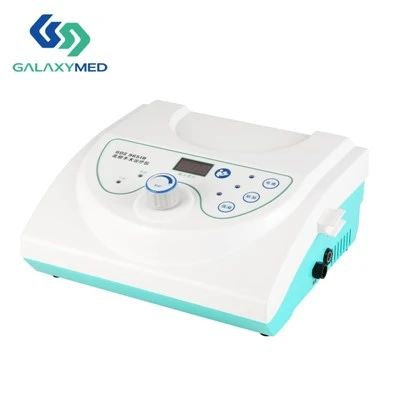
If you’re a hospital or a healthcare facility looking for a reliable hospital supply supplier, I’d be more than happy to talk. We’ve got the experience, the products, and the commitment to help you avoid those supply shortages and keep your patients well – cared for. Reach out to us and let’s start a great partnership!
Medical Endoscopic System References:
- Brown, A. (2020). Impact of Supply Chain Management on Hospital Operations. Journal of Healthcare Supply Issues.
- Chen, B. and Smith, C. (2021). Predictive Analytics in Healthcare Supply Chains. International Journal of Healthcare Analytics.
- Nguyen, D. (2019). Diversification Strategies in Medical Supply Sourcing. Supply Chain Research Review.
Galaxymed Technology Co., Ltd.
As one of the most professional hospital supply suppliers in China, we’re featured by good quality products and in-time service. Please rest assured to buy hospital grade hospital supply made in China here and get quotation from our factory. Also, small qty acceptable.
Address: 88 Dongchang Road, Suzhou Industrial Park, Suzhou City, Jiangsu Province, China
E-mail: Sales@galaxymed.com.cn
WebSite: https://www.galaxy-medic.com/
