As a long – standing auxiliary machinery supplier in the industry, I’ve had the privilege of catering to clients from diverse corners of the globe. Over the years, I’ve witnessed firsthand how different countries establish and maintain national standards for auxiliary machinery, which not only ensure product safety but also influence market competitiveness. Auxiliary Machinery
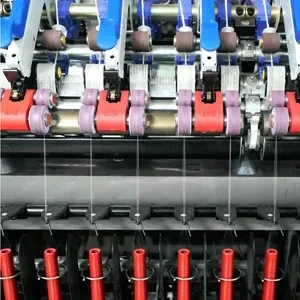
The United States, a major player in the manufacturing and industrial sector, upholds a comprehensive set of standards for auxiliary machinery. The American National Standards Institute (ANSI) plays a central role in coordinating the development of standards across various industries. For auxiliary machinery, ANSI standards often focus on safety features such as guarding against moving parts, proper electrical grounding, and clear labeling to prevent potential hazards.
In the food processing auxiliary machinery segment, for instance, the U.S. Food and Drug Administration (FDA) has strict regulations. These regulations ensure that the materials used in the machinery are food – grade and do not contaminate the products being processed. The machinery must also be easy to clean and sanitize to prevent the growth of harmful bacteria. Additionally, the Occupational Safety and Health Administration (OSHA) sets standards related to worker safety. Auxiliary machinery must be designed and installed in a way that minimizes the risk of workplace accidents, like providing proper access for maintenance and repair while keeping workers safe from moving components.
Moving across the Atlantic, the European Union has a well – defined framework of standards known as the Machinery Directive (2006/42/EC), which applies to auxiliary machinery as well. This directive aims to harmonize the requirements for machinery within the EU market, facilitating the free movement of goods. The Machinery Directive emphasizes risk assessment during the design and manufacturing process of auxiliary machinery. Manufacturers are required to identify potential risks associated with the machinery’s use, such as mechanical, electrical, or ergonomic hazards, and take appropriate measures to eliminate or reduce them.
CE marking is a crucial aspect of the EU standards. It indicates that the auxiliary machinery complies with all the relevant EU directives, including safety, health, and environmental protection requirements. For example, in the case of packaging auxiliary machinery, it must meet the standards related to the quality and integrity of packaging, as well as the safety of the operators handling the equipment. The EU also has specific standards for energy efficiency, which encourage manufacturers to design auxiliary machinery that consumes less power while maintaining high – performance levels.
In Asia, Japan has a unique approach to standard – setting for auxiliary machinery. The Japanese Industrial Standards (JIS) cover a wide range of products, including auxiliary machinery. JIS standards are known for their high – quality and precision requirements. They often incorporate the latest technological advancements in the design and manufacturing of machinery.
For example, in the automotive auxiliary machinery sector, JIS standards ensure that the machinery can produce components with extremely tight tolerances. This is essential for the high – performance and reliability of Japanese automobiles. Japanese standards also place a strong emphasis on environmental protection. Auxiliary machinery in Japan is expected to meet strict emissions and noise – level standards, reducing its impact on the environment and surrounding communities.
China, being a manufacturing powerhouse, has also developed a comprehensive set of national standards for auxiliary machinery. The Standardization Administration of China (SAC) is responsible for formulating and implementing these standards. China’s standards cover safety, quality, and performance aspects of auxiliary machinery.
In recent years, China has been actively aligning its standards with international norms to enhance the global competitiveness of its products. For example, in the textile auxiliary machinery industry, China’s standards require the machinery to be energy – efficient, have high production speeds, and produce high – quality textile products. These standards not only benefit domestic manufacturers but also make Chinese – made auxiliary machinery more attractive to international buyers.
When it comes to South Korea, the Korean Industrial Standards (KS) play a vital role in regulating auxiliary machinery. The KS standards are designed to promote the quality and safety of products in the domestic market and enhance South Korea’s export competitiveness. In the electronics auxiliary machinery field, KS standards ensure that the machinery can handle the precise manufacturing processes required for high – tech electronic products. They cover aspects such as the accuracy of component placement, the reliability of soldering, and the overall performance of the machinery in a clean – room environment.
As a supplier of auxiliary machinery, I understand the importance of keeping abreast of these national standards. Our products are designed and manufactured with the strictest compliance in mind. We have a dedicated team that continuously monitors the changes in standards across different countries to ensure that our auxiliary machinery meets or exceeds the requirements.
Whether you are in the United States, looking for food – grade auxiliary machinery that adheres to ANSI and FDA standards, or in the EU, seeking CE – marked packaging machinery, our company can provide the right solutions. If you are in Asia, whether it’s Japan, China, or South Korea, we can customize our products to meet the specific JIS, Chinese national standards, or KS respectively.
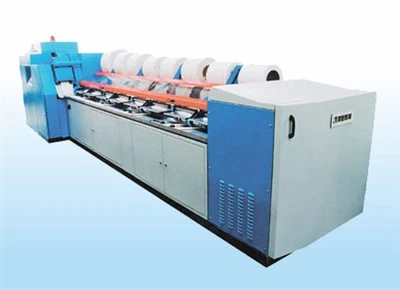
We pride ourselves on our ability to provide high – quality auxiliary machinery at competitive prices. Our years of experience in the industry have equipped us with the knowledge and expertise to understand the unique needs of different markets. We offer a wide range of auxiliary machinery, including but not limited to conveying equipment, packaging machines, and processing apparatus.
Roving Frame Machine If you are in the market for auxiliary machinery, I encourage you to get in touch with us. We are more than happy to discuss your requirements, provide detailed product information, and offer customized solutions. Our team of experts is ready to assist you in every step of the procurement process, from product selection to after – sales service. Let’s work together to ensure that your production processes are efficient, safe, and compliant with the national standards of your country.
References
- American National Standards Institute (ANSI) publications on industrial machinery standards.
- European Union Machinery Directive (2006/42/EC) official documents.
- Japanese Industrial Standards (JIS) handbooks related to auxiliary machinery.
- China’s national standards published by the Standardization Administration of China (SAC).
- Korean Industrial Standards (KS) materials for electronic and other auxiliary machinery.
Shandong Hongye Machinery Co., Ltd.
Shandong Hongye Machinery Co., Ltd. is one of the most professional auxiliary machinery manufacturers and suppliers in China, featured by quality products and low price. Please rest assured to buy advanced auxiliary machinery in stock here and get quotation from our factory. Also, 1 year warranty is available.
Address: Room 1104, Building No. 2, Haier Yunjie, No. 99 Chongqing South Road, Qingdao, China
E-mail: sales@seavincn.com
WebSite: https://www.sdhymachinery.com/
