Handling a dental reduction handpiece malfunction can be a daunting task, but with the right knowledge and approach, it can be managed effectively. As a dental reduction handpiece supplier, I’ve encountered numerous situations where these essential tools have faced issues. In this blog, I’ll share insights on how to handle malfunctions, ensuring minimal disruption to dental practices and patient care. Dental Reduction Handpiece
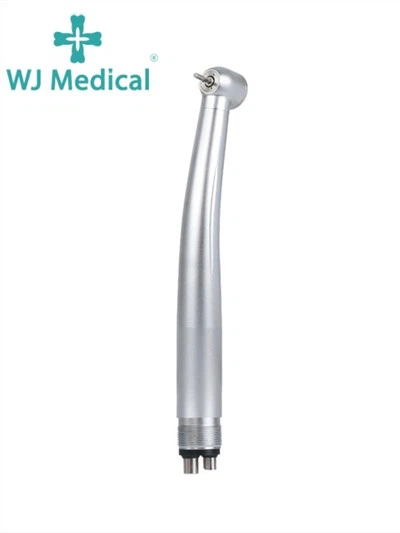
Recognizing the Signs of Malfunction
The first step in handling a malfunction is to recognize the signs. A dental reduction handpiece may show various symptoms when something goes wrong. One of the most common signs is abnormal noise. If the handpiece starts making grinding, rattling, or high – pitched screeching sounds, it’s a clear indication that there’s an internal problem. This could be due to worn – out bearings, loose components, or debris inside the handpiece.
Another sign is reduced speed or power. If the handpiece doesn’t rotate at the expected speed or struggles to perform its cutting or grinding tasks, it may be malfunctioning. This can affect the efficiency of dental procedures and lead to longer treatment times. Additionally, overheating is a serious concern. A handpiece that becomes excessively hot during use can cause damage to the internal components and may even pose a risk to the patient.
Immediate Actions When a Malfunction Occurs
When you notice a malfunction in a dental reduction handpiece during a procedure, the first thing to do is to stop using it immediately. Continuing to operate a malfunctioning handpiece can exacerbate the problem and potentially cause more damage. Remove the handpiece from the patient’s mouth carefully to avoid any injury.
Next, isolate the handpiece from the dental unit. This can prevent any potential issues from spreading to other parts of the equipment. For example, a malfunction in the air or water supply system of the handpiece could affect the overall performance of the dental unit.
Troubleshooting the Malfunction
Once you’ve stopped using and isolated the handpiece, it’s time to start troubleshooting. Begin by visually inspecting the handpiece. Look for any obvious signs of damage, such as cracks, chips, or loose parts. Check the connection points to ensure they are secure. Sometimes, a loose connection can cause the handpiece to malfunction.
If the handpiece has a detachable head, remove it and inspect it for debris. Debris can accumulate in the head over time, especially if the handpiece is not properly cleaned after each use. Use a small brush or compressed air to gently remove any visible debris.
Check the air and water supply. A blocked air or water line can cause reduced speed, power issues, or overheating. You can disconnect the handpiece from the air and water supply lines and blow air through the lines to check for blockages. If you suspect a blockage in the handpiece itself, you may need to soak the handpiece in a cleaning solution according to the manufacturer’s instructions.
Professional Maintenance and Repair
If you’ve tried the basic troubleshooting steps and the problem persists, it’s time to seek professional help. As a dental reduction handpiece supplier, I recommend sending the handpiece to a qualified repair technician. These technicians have the expertise and specialized tools to diagnose and fix complex problems.
Before sending the handpiece for repair, make sure to provide detailed information about the malfunction. Include details such as when the problem started, what symptoms you noticed, and any troubleshooting steps you’ve already taken. This information can help the repair technician identify the root cause of the problem more quickly.
Regular professional maintenance is also crucial to prevent malfunctions. I advise dental practices to schedule routine maintenance for their dental reduction handpieces. This can include disassembling, cleaning, lubricating, and inspecting the internal components. By following a regular maintenance schedule, you can extend the lifespan of the handpieces and reduce the likelihood of malfunctions.
Preventive Measures to Reduce Malfunctions
Prevention is always better than cure when it comes to dental reduction handpiece malfunctions. One of the most important preventive measures is proper cleaning and disinfection. After each use, the handpiece should be thoroughly cleaned to remove any blood, saliva, or debris. Follow the manufacturer’s instructions for cleaning, which may include using specific cleaning agents and techniques.
Proper lubrication is also essential. Lubricating the handpiece at regular intervals helps reduce friction between the moving parts, preventing wear and tear. Using the right type of lubricant recommended by the manufacturer is crucial.
Store the handpieces properly. When not in use, they should be stored in a clean, dry place. Avoid exposing them to extreme temperatures or humidity, as these can damage the internal components.
Training and Education for Dental Staff
Another key aspect of preventing and handling malfunctions is training and education for dental staff. All staff members who use dental reduction handpieces should receive proper training on their use, maintenance, and troubleshooting. This training should cover topics such as how to recognize the signs of malfunction, basic troubleshooting steps, and the importance of regular maintenance.
As a supplier, I often offer training programs to our customers. These programs are designed to ensure that dental staff have the knowledge and skills to handle the handpieces correctly. By investing in training, dental practices can reduce the risk of malfunctions and improve the overall efficiency of their operations.
The Role of the Supplier in Malfunction Handling
As a dental reduction handpiece supplier, I play a crucial role in helping customers handle malfunctions. We provide technical support to our customers, answering their questions about troubleshooting and maintenance. Our team of experts can offer guidance on how to address common problems and when to seek professional repair.
We also offer a wide range of replacement parts for the handpieces. In case a part is damaged or worn out, we can provide the necessary replacement quickly. This helps minimize downtime for dental practices and ensures that the handpieces can be back in use as soon as possible.
Conclusion

Handling a dental reduction handpiece malfunction requires a combination of immediate action, troubleshooting, professional repair, and preventive measures. By recognizing the signs of malfunction early, taking the right steps when a problem occurs, and implementing preventive strategies, dental practices can ensure the smooth operation of their handpieces.
Dental Implant System As a supplier, I’m committed to providing high – quality dental reduction handpieces and excellent support to our customers. If you’re facing issues with your dental reduction handpieces or are interested in learning more about our products and services, I encourage you to reach out to us. We’re here to help you keep your dental equipment in top condition and ensure the best possible care for your patients.
References
- Dental Equipment Maintenance Manuals.
- Industry – standard dental handpiece care and repair guidelines.
- Professional dental journals on dental equipment management.
Foshan Wenjian Medical Instrument Co., Ltd.
Foshan Wenjian Medical Instrument Co., Ltd. is one of the most professional dental reduction handpiece manufacturers and suppliers in China, featured by supplying high quality medical devices. Welcome to wholesale dental reduction handpiece at competitive price from our factory. For more company information, contact us now.
Address: Workshop A, Sanyi Logistics, Shishan Town, Nanhai District, Foshan City, Guangdong Province, China
E-mail: Sales24@wenjian88.com
WebSite: https://www.chinaywjmed.com/
