Hey there! I’m a supplier of prefabricated cabin enclosures, and I often get asked about the sound – insulation properties of these nifty little structures. So, I thought I’d take a few minutes to break it down for you. Prefabricated Cabin Enclosure
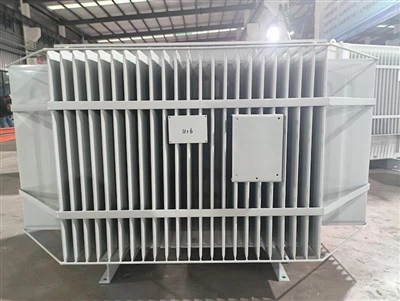
First off, let’s talk about why sound insulation matters. Whether you’re using a prefabricated cabin as an office, a studio, or even a living space, unwanted noise can be a real pain in the neck. It can disrupt your work, make it hard to relax, and generally just make your life a lot less pleasant. That’s where good sound – insulation comes in.
One of the key factors that determine the sound – insulation properties of a prefabricated cabin enclosure is the materials used. We use high – quality insulation materials in our cabins. For example, we often use fiberglass insulation. Fiberglass is great because it traps air in its fibers. Air is a poor conductor of sound, so when sound waves hit the fiberglass, they get absorbed and dissipated instead of passing through. It’s like a little sound – absorbing sponge inside the walls of the cabin.
Another material we rely on is acoustic foam. Acoustic foam is designed specifically to reduce sound reflections. When sound waves bounce off hard surfaces, they can create echoes and reverberations. Acoustic foam has a porous structure that breaks up these sound waves, reducing the amount of reflected sound. It’s especially useful in areas where you need to control the acoustics, like recording studios.
The construction techniques also play a big role. In our prefabricated cabin enclosures, we make sure to seal all the gaps and joints properly. Even a small gap can let sound leak in or out. We use weatherstripping and sealants to create an airtight seal around doors, windows, and other openings. This helps to keep the sound where it’s supposed to be – inside or outside the cabin.
The thickness of the walls is another important aspect. Thicker walls generally provide better sound insulation. In our cabins, we use walls that are thick enough to effectively block out external noise. The extra mass in the walls makes it harder for sound waves to pass through. It’s like having a heavy curtain between you and the noisy world outside.
Now, let’s talk about some real – world scenarios. If you’re setting up an office in a prefabricated cabin, you want to make sure that the noise from the outside doesn’t distract you and your colleagues. With our sound – insulated cabins, you can have a quiet and productive work environment. You won’t have to worry about traffic noise, construction sounds, or other distractions.
For those who are using the cabin as a music studio, sound insulation is crucial. You need to be able to record and mix your music without any unwanted background noise. Our cabins can provide the isolation you need to create high – quality music. The acoustic foam and other insulation materials help to control the sound inside the studio, giving you a clean and professional sound.
Even if you’re using the cabin as a living space, good sound insulation can make a huge difference. You can enjoy a peaceful night’s sleep without being disturbed by the sounds of the neighborhood. It’s like having your own little oasis away from the hustle and bustle of the outside world.
But how do we measure the sound – insulation properties of our prefabricated cabin enclosures? We use a rating called the Sound Transmission Class (STC). The STC rating is a measure of how well a material or structure can block sound. The higher the STC rating, the better the sound insulation. Our cabins typically have a high STC rating, which means they’re really good at keeping the noise out.
Of course, the sound – insulation properties can also be affected by other factors. For example, the location of the cabin matters. If it’s placed near a busy road or a noisy industrial area, it might face more challenges in terms of sound insulation. But even in these situations, our cabins can still provide a significant reduction in noise levels.
Another factor is the size of the cabin. Larger cabins might require more insulation to achieve the same level of soundproofing as smaller ones. But we take all these factors into account when designing and building our prefabricated cabin enclosures.
We also offer customization options when it comes to sound insulation. If you have specific requirements, like a higher STC rating or a particular type of insulation material, we can work with you to meet those needs. We understand that every customer is different, and we want to make sure that you get the best possible sound – insulation solution for your cabin.
In conclusion, the sound – insulation properties of our prefabricated cabin enclosures are top – notch. We use high – quality materials, advanced construction techniques, and careful design to ensure that our cabins can effectively block out unwanted noise. Whether you’re using the cabin for work, play, or relaxation, you can count on it to provide a quiet and comfortable environment.
If you’re interested in learning more about our prefabricated cabin enclosures and their sound – insulation properties, or if you’re thinking about making a purchase, don’t hesitate to reach out. We’re here to answer all your questions and help you find the perfect cabin for your needs. Just drop us a line, and we’ll get back to you as soon as possible.
Transformer Clamp References:
- "Building Acoustics: Principles and Practice" by Tim J. Cox and Peter D’Antonio
- "Sound and Acoustics" by David E. Hall
Nantong Zhihe Electric Co., Ltd.
As one of the most professional prefabricated cabin enclosure manufacturers and suppliers in China, we’re featured by quality products and low price. Please rest assured to wholesale cheap prefabricated cabin enclosure made in China here from our factory. Customized orders are welcome.
Address: NO.202 Jianghai West Road, Hai’an Town, Hai’an City, Jiangsu Province
E-mail: colt.ntzh@gmail.com
WebSite: https://www.ntzhelectric.com/
