In the world of fluid control systems, valves play a crucial role in regulating the flow of liquids and gases. Among the various types of valves available, butterfly valves and ball valves are two of the most commonly used. As a supplier of butterfly valves, I have a deep understanding of these two valve types and their differences. In this blog post, I’ll share my insights on what sets butterfly valves and ball valves apart, helping you make an informed decision when choosing the right valve for your application. Butterfly Valve

Structural Design
One of the most obvious differences between butterfly valves and ball valves lies in their structural design. A butterfly valve consists of a disc that rotates on a shaft within the valve body. The disc is positioned perpendicular to the flow when the valve is closed and parallel to the flow when the valve is open. This simple design allows for quick and easy operation, as the disc can be rotated a quarter – turn (90 degrees) to open or close the valve.
On the other hand, a ball valve features a spherical ball with a hole (bore) through its center. The ball is housed within the valve body, and when the valve is open, the bore aligns with the flow path, allowing fluid to pass through. To close the valve, the ball is rotated 90 degrees so that the solid part of the ball blocks the flow path. The ball valve’s design provides a tight seal when closed, making it suitable for applications where a high – level of shut – off is required.
Flow Characteristics
The flow characteristics of butterfly valves and ball valves also differ significantly. Butterfly valves offer a relatively high flow coefficient (Cv) when fully open, which means they can allow a large volume of fluid to pass through with minimal pressure drop. However, as the valve begins to close, the disc creates a significant amount of turbulence in the flow, which can lead to an increase in pressure drop. This characteristic makes butterfly valves more suitable for applications where flow regulation over a wide range is required, but where a precise shut – off is not always necessary.
Ball valves, in contrast, have a very low pressure drop when fully open because the bore of the ball provides a straight and unobstructed flow path. The flow remains laminar, which is ideal for applications where a smooth and consistent flow is needed. When the ball valve is closed, it provides a complete shut – off, preventing any leakage. This makes ball valves a better choice for applications that require a tight seal, such as in the oil and gas industry or in high – pressure systems.
Application Scenarios
The differences in structural design and flow characteristics lead to different application scenarios for butterfly valves and ball valves. Butterfly valves are commonly used in large – diameter pipelines, such as those in water treatment plants, HVAC systems, and chemical processing industries. Their lightweight and compact design make them easy to install and maintain, and their ability to handle large volumes of fluid at relatively low pressures makes them a cost – effective solution for these applications.
Ball valves, on the other hand, are often used in applications where a high – level of shut – off is required, such as in the oil and gas industry, petrochemical plants, and high – pressure hydraulic systems. They are also suitable for applications where the flow needs to be quickly and precisely controlled, such as in process control systems.
Material and Cost
The materials used in the construction of butterfly valves and ball valves can also vary, which in turn affects their cost. Butterfly valves are typically made of materials such as cast iron, stainless steel, or PVC, depending on the application requirements. These materials are relatively inexpensive, making butterfly valves a cost – effective option for many applications.
Ball valves, on the other hand, are often made of more expensive materials such as forged steel or high – grade stainless steel, especially for applications in high – pressure and high – temperature environments. The manufacturing process of ball valves is also more complex, which contributes to their higher cost.
Maintenance and Durability
Maintenance requirements and durability are important factors to consider when choosing between butterfly valves and ball valves. Butterfly valves are generally easier to maintain because of their simple design. The disc and shaft can be easily accessed and replaced if necessary. However, the disc of a butterfly valve is exposed to the flow, which can cause wear and tear over time, especially in applications with abrasive fluids.
Ball valves, on the other hand, are more durable in high – pressure and high – temperature environments. The ball is protected within the valve body, which reduces the risk of damage from the flow. However, the internal components of a ball valve can be more difficult to access and repair, which may require more specialized tools and skills.
Conclusion
In conclusion, both butterfly valves and ball valves have their own unique advantages and disadvantages. The choice between the two depends on a variety of factors, including the application requirements, flow characteristics, cost, and maintenance considerations. As a supplier of butterfly valves, I believe that butterfly valves offer a cost – effective and efficient solution for many applications, especially those that require large – diameter flow regulation and where a precise shut – off is not always necessary.
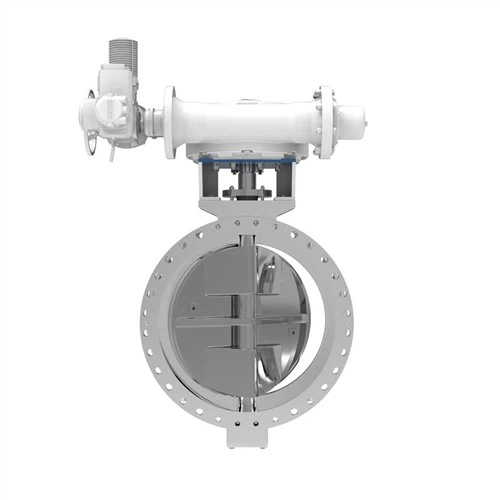
If you are in the market for a valve and are considering a butterfly valve, I would be more than happy to discuss your specific needs and provide you with the best solution. Our team of experts has extensive experience in the valve industry and can help you select the right valve for your application. Whether you need a valve for a water treatment plant, an HVAC system, or a chemical processing industry, we have the knowledge and resources to meet your requirements.
Bi-offset Butterfly Don’t hesitate to reach out to us to start a conversation about your valve needs. We look forward to working with you to find the perfect valve solution for your project.
References
- Crane Technical Paper No. 410, "Flow of Fluids through Valves, Fittings, and Pipe".
- Valves Handbook, edited by A. W. Leishear.
- Engineering Principles of Oil and Gas Production, by G. G. Brown.
Zhejiang Sunawei Valve Co., Ltd.
As one of the most professional butterfly valve manufacturers and suppliers in China, we offer a wide range of valves with superior quality. Please feel free to wholesale high quality butterfly valve at competitive price from our factory. We also accept customized orders.
Address: Anfeng Industrial, Oubei Town, Wenzhou City, Zhejiang, China
E-mail: snv@sunawevalve.com
WebSite: https://www.sunay-valves.com/
