Hey there! As a meter box supplier, I get asked a lot about how to test the functionality of these things. It’s super important to make sure your meter box is working right, not just for accurate readings but also for safety. So, I’m gonna break it down for you in this blog post. Meter Box
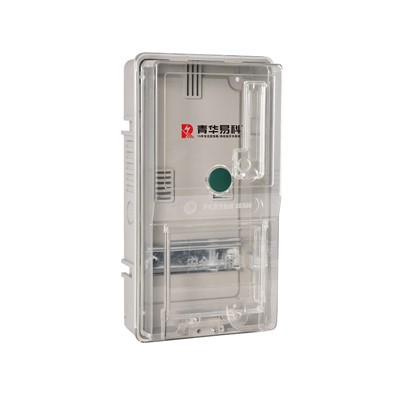
Why Testing is a Big Deal
First off, let’s talk about why testing your meter box is so crucial. Meter boxes are like the control centers for your electrical system. They house the meters that measure how much electricity you’re using, and they also have safety features like circuit breakers. If your meter box isn’t working properly, you could end up with inaccurate bills, or even worse, a serious electrical hazard.
For example, a faulty circuit breaker might not trip when there’s an overload, which could lead to overheating and potentially start a fire. And if the meter isn’t reading correctly, you might be paying more or less than you should for your electricity. So, testing your meter box regularly is a must.
Tools You’ll Need
Before you start testing, you’ll need a few tools. Here’s what I recommend:
- Multimeter: This is a handy tool that can measure voltage, current, and resistance. You can use it to check if the electrical connections in your meter box are working properly.
- Insulation Resistance Tester: This tool measures the resistance of the insulation in your electrical system. It’s important to make sure the insulation is in good condition to prevent electrical shocks.
- Clamp Meter: A clamp meter is used to measure current without having to disconnect any wires. It’s a great tool for checking the current flowing through different circuits in your meter box.
Visual Inspection
The first step in testing your meter box is to do a visual inspection. Take a look at the outside of the box for any signs of damage, such as cracks, dents, or rust. Make sure the door is closing properly and that there are no loose or missing screws.
Next, open the door and look inside. Check the meters to make sure they’re displaying the correct readings. Look for any signs of overheating, such as discolored wires or melted insulation. Also, check the circuit breakers to make sure they’re in the correct position and that there are no signs of damage.
Testing the Electrical Connections
Once you’ve done the visual inspection, it’s time to start testing the electrical connections. Use your multimeter to check the voltage at the main incoming power supply. Make sure the voltage is within the acceptable range for your area.
Next, check the voltage at each of the circuits in your meter box. You can do this by connecting the multimeter to the terminals of each circuit breaker. Make sure the voltage is the same for all circuits and that it’s within the acceptable range.
If you find any circuits with low or no voltage, there could be a problem with the wiring or the circuit breaker. You’ll need to investigate further to find the cause of the problem.
Testing the Circuit Breakers
The circuit breakers in your meter box are an important safety feature. They’re designed to trip when there’s an overload or a short circuit, which helps to prevent electrical fires.
To test the circuit breakers, you can use a clamp meter to measure the current flowing through each circuit. Make sure the current is within the rated capacity of the circuit breaker. If the current is too high, the circuit breaker should trip.
You can also test the circuit breakers manually by flipping them on and off. Make sure they trip easily and that they stay in the off position when you release them.
Testing the Meter
The meter in your meter box is what measures how much electricity you’re using. To test the meter, you can use a multimeter to measure the voltage and current at the meter terminals. Make sure the readings are consistent with the amount of electricity you’re using.
You can also compare the meter readings to your electricity bill to make sure they’re accurate. If you find any discrepancies, you should contact your electricity provider to investigate.
Testing the Insulation
The insulation in your electrical system is important for preventing electrical shocks. To test the insulation, you can use an insulation resistance tester. Make sure the insulation resistance is within the acceptable range for your electrical system.
If you find any areas with low insulation resistance, there could be a problem with the wiring or the insulation. You’ll need to investigate further to find the cause of the problem.
What to Do if You Find a Problem
If you find a problem with your meter box during the testing process, don’t panic. There are a few things you can do:
- Contact a Professional: If you’re not comfortable working with electrical systems, it’s best to contact a professional electrician. They have the knowledge and experience to diagnose and fix the problem safely.
- Replace the Faulty Component: If you’re confident in your abilities, you can try to replace the faulty component yourself. Make sure you follow the manufacturer’s instructions and use the correct tools.
- Contact Your Electricity Provider: If the problem is with the meter or the electrical supply, you should contact your electricity provider. They can send a technician to investigate and fix the problem.
Conclusion
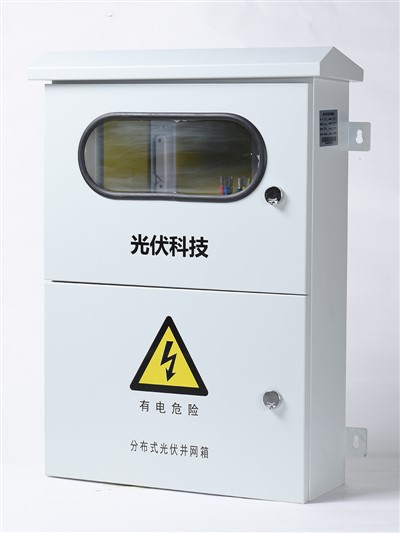
Testing the functionality of your meter box is an important part of maintaining your electrical system. By following the steps outlined in this blog post, you can ensure that your meter box is working properly and that you’re getting accurate readings.
Metal Distribution Box If you have any questions or need further assistance, don’t hesitate to reach out. We’re here to help you make sure your meter box is in top condition. And if you’re in the market for a new meter box, we’ve got a wide range of options to choose from. Just drop us a line, and we’ll be happy to discuss your needs and find the perfect solution for you.
References
- Electrical Safety Foundation International. (2023). Electrical Safety Tips.
- National Fire Protection Association. (2023). Electrical Fire Prevention.
- Institute of Electrical and Electronics Engineers. (2023). Electrical Testing Standards.
Shandong Qinghua Yike Electric Co., Ltd.
As one of the most experienced meter box manufacturers in China, we also support customized service. We warmly welcome you to buy durable meter box for sale here from our factory. If you have any enquiry about cooperation, please feel free to email us.
Address: No. 378 Taozhuang Village, Zaoyuan Town, Lanshan District, Linyi City, Shandong Province
E-mail: admin@sd-qhyk.com
WebSite: https://www.qhecobox.com/
