If you’ve ever shopped for RF connectors, you’ve probably stumbled on DIN 7/16 connectors—even if you didn’t know it. As a supplier who’s spent years talking to folks in the telecom, broadcast, and industrial equipment worlds, I get so many questions about what these connectors actually get used for. They’re not your average USB or RCA plug, right? They’re built for heavy-duty, high-power, high-frequency stuff, so their applications aren’t as obvious as the tech we use every day. Let me break down the most common uses I see, and why our customers keep coming back to DIN 7/16 for these jobs. DIN 7/16 Connector
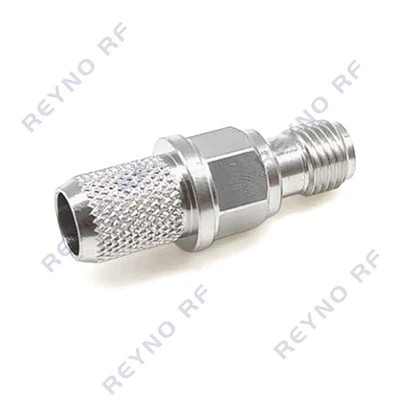
First up, the big one: cellular network infrastructure. 5G took off a few years back, and DIN 7/16s are totally core to that rollout, but they’ve been a staple in cell towers and base stations long before that. Here’s the deal: cell sites have high-power transmitters that blast signals across miles, and they need connectors that won’t fail even in rain, snow, or extreme heat. DIN 7/16s are rated for up to 500 volts and handle power levels way higher than smaller connectors like SMA or N-types, which is non-negotiable here. I’ve had clients come to us because their old connectors kept corroding out in rural cell towers—DIN 7/16s have that threaded bayonet-style lock (no loose, easy-to-bend pins) and are weather-sealed, so they hold up way better in remote locations. Even small cell nodes (the little 5G boxes you see on streetlights) use mini DIN 7/16 variants for their antenna connections, since they balance size, power, and reliability perfectly.
Next, broadcast and radio transmission. Whether it’s a local AM/FM radio station, a TV broadcast tower, or ham radio operators running big rigs, DIN 7/16s are the go-to for RF line connections here. Broadcast gear runs 24/7, so downtime kills revenue. I once worked with a small TV station that had a connector fail during a live election broadcast—cost them thousands in ad revenue while they waited for a replacement. They switched to DIN 7/16s after that, because the metal bodies (usually brass or nickel-plated) don’t warp from the constant heat of transmitters, and their impedance is a steady 50 ohms, which is exactly what broadcast equipment is calibrated for. Ham folks love ’em too, because they can handle long cable runs without signal loss—perfect for setting up antennas in their backyards or on rooftops without worrying about fuzzy signals or weak transmissions.
Industrial automation and process control might not be the first thing you think of with RF connectors, but DIN 7/16s are huge here too. Factory floors are messy—oil, dust, vibrations from heavy machinery, extreme temps in steel mills or chemical plants. Regular connectors just can’t stand up to that. I’ve supplied DIN 7/16s to automotive assembly lines where robot arms use them to connect position sensors and radio frequency identification (RFID) tags that track parts moving through the line. Those tags need to transmit data reliably even when a robot slams into a wall, so the connector has to stay tight. DIN 7/16s have a positive locking mechanism that resists vibration, so they don’t come loose. Also, in oil and gas facilities, they’re used for sensor connections on drilling rigs and pipeline monitoring gear—those environments have explosive gases, so DIN 7/16s are often intrinsically safe-rated, meaning they won’t spark and cause an explosion. That’s a big deal for that industry, and it’s why we’ve got regular orders from oil and gas supply teams.
Satellite communication (satcom) is another key area. Whether it’s a big satellite ground station that communicates with geostationary satellites, or a portable satcom terminal used by emergency response teams or the military, DIN 7/16 connectors are the standard for connecting dish antennas to transceivers. Satcom requires extremely low signal loss over long distances—even a tiny gap in a connector can make a signal too weak to work. DIN 7/16s have a larger contact area than smaller connectors, so the electrical connection is more consistent, less resistance, less signal drop. Emergency response teams love their durability too—after a natural disaster, when cell towers go down, they haul portable satcom gear out, and those connectors have to work right after being jostled around in a truck, covered in mud, or exposed to rain. I’ve had a client who does disaster relief gear tell me they won’t use any other connector now, because the DIN 7/16s almost never fail in field tests.
Wait, let’s not skip over radar and navigation systems. Air traffic control radar, weather radar, and even marine navigation systems (like radar on cargo ships or fishing boats) use DIN 7/16 connectors. These systems need to send and receive high-frequency radar signals, and they’re often installed in places that are exposed to salt spray (for ships) or harsh outdoor weather (for airport radar towers). Salt spray eats through uncoated connectors, but our DIN 7/16s are available with zinc-nickel plating that’s resistant to corrosion from salt, so they last for years in those tough marine or coastal environments. Also, radar systems require consistent impedance to get accurate readings—if the signal bounces back wrong, a radar might miss a plane or a storm cell, so the connector has to be spot-on. That’s why we test every batch of DIN 7/16s for impedance matching before shipping, no cutting corners here.
I should mention, too, that DIN 7/16 connectors are used in some test and measurement gear. If you’re an engineer testing RF equipment, you’ll use test cables terminated with DIN 7/16s to connect to base stations or transmitters. These cables need to be accurate, so the connector’s build quality matters a lot. Our customers in test labs tell us they prefer DIN 7/16s because they’re easy to mate and demate without damaging the pins—you don’t have to be super careful, which saves time when they’re running dozens of tests a day.
Now, a quick note on why DIN 7/16s are such a big deal for a supplier like me: people often ask why we don’t push smaller connectors, but when you look at all these applications, there’s no real alternative. SMA connectors are smaller, but they can’t handle the power that 5G base stations or broadcast transmitters need. N-types can handle more power, but they’re not as durable for outdoor use—their threaded connection is smaller, so it can work loose from vibration. DIN 7/16s hit that perfect middle spot: enough power handling, enough durability, and standardized across all the industries that use them, so you don’t have to custom-make every connector for every job.
If you’re reading this and you’re someone who needs a connector for any of these uses—whether you’re building 5G gear, maintaining a radio station, setting up industrial sensors, or outfitting a satcom terminal—we’ve got you. We carry a range of DIN 7/16 connectors, from standard straight plugs to right-angle ones for tight spaces, weather-sealed variants for outdoor use, and intrinsically safe models for explosive environments. We also offer custom termination options if you need something specific for your project. If you’re tired of connectors that fail in the field, or you’re just starting a new build and need to spec out reliable gear, hit us up to chat about your requirements. We’ll help you pick the right DIN 7/16 for your application, no sales fluff, just straight-up advice.
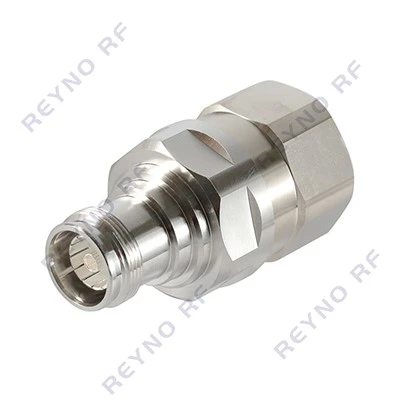
At the end of the day, DIN 7/16 connectors are the unsung heroes of a lot of critical tech we rely on every day. They’re not flashy, but they keep cell towers up, broadcasts on air, factories running, and emergency teams connected. If you’re in the market for these connectors, don’t settle for flimsy, untested ones—reach out, and let’s make sure you get the reliable DIN 7/16s you need.
RF Connectors References
- DIN Standard 7/16: Radio-frequency connectors for 50 ohm nominal impedance, Deutsches Institut für Normung, 2019.
- RF Connector Reliability for Outdoor Telecom Infrastructure, Telecom Industry Technical Journal, Vol. 12, No. 3, 2021.
- Intrinsically Safe Connectors for Oil and Gas Applications, Industrial Safety Magazine, Vol. 8, No. 2, 2022.
- High-Power RF Connector Performance for Broadcast Transmitters, Broadcast Engineering Journal, Vol. 45, No. 5, 2020.
Zhenjiang Leiluo Electronic Co., Ltd.
Zhenjiang Leiluo Electronic Co., Ltd. is one of the most professional din 7/16 connector manufacturers and suppliers in China. We have world-leading production equipment and strong manufacturing capabilities. Please feel free to buy advanced din 7/16 connector for sale here and get quotation from our factory. Customized orders are welcome.
Address: No.21 Houxiang Industrial Road, Danbei Town, Danyang City, Jiangsu Province
E-mail: wenvy@rfleiluo.com
WebSite: https://www.rfreyno.com/
