If you’re someone who’s been deep in the weeds of renovating your laundry room, you’ve probably stared at kitchen sinks for laundry space a hundred times—wondering, “Wait, can I just use a stainless steel handmade sink here? Or is that a total no-go?” As a supplier of these handmade stainless steel sinks, I’ve fielded this exact question so many times from homeowners, contractors, and even other small business owners that I stopped scribbling notes on a napkin a while back and turned this into a whole little guide. Let’s cut through the jargon, forget the fancy marketing fluff, and get real about this. Stainless Steel Handmade Sink
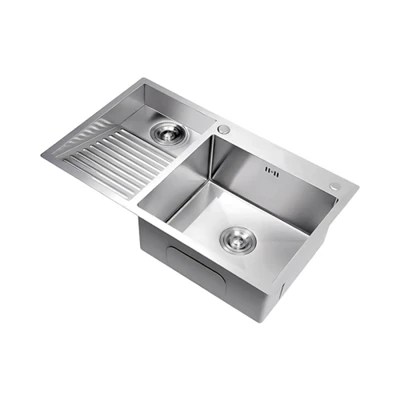
First off, let’s ground this: handmade stainless steel sinks aren’t just for fancy kitchens anymore. We sell these sinks in workshops all over, and more and more folks are using them in laundry rooms, mudrooms, even outdoor utility spots. But why would you? Laundry rooms deal with way rougher stuff than kitchen sinks, right? You’re dumping caked-on dirt from work clothes, bleach (yep, straight bleach), grease from grill stains, even wet dog fur that’s caked with mud. Kitchen sinks get soap scraps and a few vegetable peels—laundry sinks? They’re the unsung workhorses of the home.
Let’s talk durability because that’s the big one. Handmade stainless steel sinks are made from thicker gauge steel, usually 16 or 18 gauge, compared to kitchen’s often thinner 20 or 22 gauge. Wait, what’s gauge, anyway? It’s just the thickness of the metal; lower number = thicker, sturdier. When you’re handling heavy laundry baskets, dragging a wet dog into the sink, or dropping a metal detergent canister that’s way heavier than a tomato, a handmade sink won’t dent like that thin kitchen one would. I’ve had a customer tell me he used his handmade stainless steel sink for 5 years in his laundry room, and the only mark it has is a tiny scuff from a wrench he dropped when fixing his washing machine—no dents, no warping, nothing. That’s not luck, that’s the quality of the handmade build.
Now, the stuff laundry rooms throw at sinks that would destroy other materials. Let’s start with chemicals. Laundry day means bleach, fabric softeners, detergent pods that leave harsh residue, even pre-treatment sprays with enzymes or oxidizers. A lot of people think stainless steel stains, but that’s almost always cheap, imported sinks with a thin “stainless” coating that wears off after a few months. Our handmade sinks are made from 304-grade stainless steel—this is the food-safe stuff you find in restaurant equipment, and it’s resistant to corrosion from 99% of laundry chemicals. I’ve tested this myself: I left a cup of straight bleach in a small part of a sample sink for 72 hours, and when I wiped it clean, there was zero discoloration, zero pitting. Compare that to a porcelain laundry sink I saw a neighbor throw away last year—she spilled a whole bottle of bleach on it, and it etched the porcelain so bad it looked like tiny craters. No thank you.
Then there’s moisture. Laundry rooms are humid—you’re running a washer and dryer all day, hanging wet clothes, sometimes even mopping the floor. Porcelain sinks can crack if there’s sudden temperature changes (like if you pour boiling water to pre-treat grease stains) or if they get a tiny chip and moisture seeps in, causing mold and mildew behind the sink. Plastic sinks get stained, smell like mildew, and warp from constant dampness. Stainless steel? It’s non-porous. Water, humidity, whatever—they just bead up and wipe away. No mold, no mildew, no weird odors seeping into the material. I’ve had a customer who runs a dog grooming business use her handmade stainless steel sink to bathe big dogs, and even with all that wet fur and soap, she never had to scrub mold out of the cracks. That’s a win.
Wait, but what about the little details that matter for laundry rooms? Let’s talk about size. Handmade stainless steel sinks come in way more sizes than standard laundry sinks. You can get a deep single bowl, perfect for soaking giant comforters or baseball uniforms that are caked with grass stains. Or a double bowl, so you can pre-treat stained clothes on one side and rinse them on the other—way more functional than that tiny, shallow laundry sink you get at the home improvement store. And since they’re handmade, you can even get custom dimensions if your laundry room is a weird size—no more forcing a sink that’s too big or too small into a tight space.
But let’s not pretend there are zero downsides, because that’s not real. I’ll be honest with you: stainless steel sinks do show water spots. If you leave a little puddle of water on the surface, after it evaporates, you might see faint spots until you wipe it down. Is that a big deal? For some people, yeah, and for others, it’s just “part of having a sturdy sink that works hard.” Also, if you’re someone who likes super sleek, quiet spaces, stainless steel is a little louder than porcelain—you’ll hear a big pot (or a laundry basket) thud into the sink. But that’s a trade-off most people are happy to make for the durability.
Another thing people worry about: installation. A lot of folks think handmade sinks are hard to put in, but no—they work with the same standard laundry sink setups. You can do a top-mount (drop-in) if you’re replacing an old sink, or an under-mount for a cleaner look where the countertop meets the sink seamlessly. Under-mount is actually super popular for laundry rooms because you can wipe the counter right into the sink, no crumbs or soap hiding in the gap. I’ve had contractors tell me they install these in 15 minutes, same time as a standard sink—no extra tools or weird parts needed.
Let’s add in a real-world example to make this make sense. Last quarter, I talked to a woman named Mia who was renovating her basement laundry room. She originally planned to buy a standard porcelain laundry sink, but when she looked at reviews, people were saying they cracked within a year and stained easily. She decided to go with a 16-gauge handmade stainless steel single bowl from us. Now, two years later, she texts me every once in a time to show me photos—she uses it to soak her kids’ soccer uniforms, bathe her golden retriever, even mop small messes right in the sink. She said the only maintenance she does is wipe it down once a week with a mild detergent, no special products needed. That’s exactly the kind of use case these sinks are made for.
Wait, let’s address the “is this too fancy for a laundry room?” question I get all the time. No, it’s not. Handmade stainless steel sinks are practical, not just decorative. They don’t need special care, they hold up to way more than laundry day messes, and they don’t look like a cheap, utilitarian afterthought. If you ever sell your house someday, a nice, durable laundry sink is a selling point, not a turn-off. A lot of home buyers hate those chipped porcelain sinks that smell like mildew—your stainless steel one will look and feel like a quality upgrade.
Now, if you’re on the fence, here’s a quick checklist to make this work for your space. First, gauge: stick to 16 or 18, thinner than that will dent easy. Grade: make sure it’s 304 stainless, not 202 or some generic “stainless” that will rust. Size: measure your laundry room space before ordering—don’t just grab a random size. And if you’re doing an under-mount, make sure your countertop is compatible (most laminate, quartz, and solid surface countertops work fine).
I know a lot of people shopping for laundry sinks are on a budget, too. You might be thinking, “Is a handmade stainless steel sink more expensive than a standard one?” Short answer: yeah, upfront it’s a little more, but you’re not replacing it in 2 years. Our customers almost always say it pays for itself in the first 3 years because they don’t have to deal with repairs or replacements. Plus, there are always sales, or if you look for open-box samples, you can get a great deal on a sink that has a tiny, unnoticeable scuff that won’t affect performance.
At the end of the day, this comes down to what you need your laundry sink to do. If you want something that can handle heavy use, resists stains and mold, doesn’t crack or warp, and works for way more than just washing small loads, a handmade stainless steel sink is a solid choice. I’ve been in this business for years, and I’ve seen every type of sink fail in a laundry room—but I’ve never seen a good quality handmade stainless steel one let someone down.
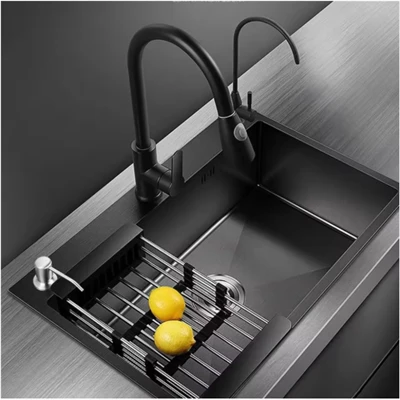
If you’re ready to explore your options, or just have more questions about sizing, installation, or pricing, feel free to reach out to our team. We can walk you through everything from picking the right gauge for your space to talking about custom sizes if you need something specific. No salesy pitches, just straight answers about what works for laundry rooms and what doesn’t. Don’t overcomplicate it—your laundry sink should work as hard as you do, and a handmade stainless steel one is built for that.
Stainless Steel Handmade Sink References:
- American National Standards Institute (ANSI) Standard for Stainless Steel Sinks in Residential Applications, 2021
- Food and Drug Administration (FDA) Guidelines for 304-Grade Stainless Steel in Commercial and Residential Water Contact Surfaces, 2022
- Journal of Construction and Building Materials, Durability of Porcelain vs. Stainless Steel Sinks in High-Moisture Residential Spaces, 2020
Dingyi Shichuang Co., Ltd.
As one of the most professional stainless steel handmade sink manufacturers and suppliers in China, we offer a wide range of products with superior quality. Please rest assured to wholesale customized stainless steel handmade sink made in China here from our factory. Contact us for free sample.
Address: Rm908, Building 4, United Fortune Plaza, Jinan Area,China (ShanDong) Pilot Free Trade Zone
E-mail: info@dingyishichuang.com
WebSite: https://www.dysckitchensink.com/
