When new parents start preparing for their little one’s arrival, every decision feels high-stakes—especially when it comes to keeping their baby safe. In my time as a Double Handle Polished Pressure Cooker supplier, I’ve lost count of how many customers have reached out with that exact question: “Can I use my double handle polished pressure cooker to sterilize baby bottles?” It’s a valid concern. Most parents are already juggling so many tasks, and adding a whole new sterilization gadget feels like an unnecessary cost when they might already have a pressure cooker in their kitchen. Let’s break this down, not just as a supplier, but as someone who’s talked to dozens of parents navigating this early phase. Double Handle Polished Pressure Cooker
First, let’s get the science straight. Sterilization for baby gear (bottles, nipples, pacifiers, and even teething toys) isn’t just about cleaning away mess—it’s about killing 99.9% of harmful bacteria, viruses, and fungi that could cause illness in a tiny, developing immune system. Traditional sterilization methods—boiling water, steam sterilizers, microwavable bags—all work, but pressure cooking is another method that’s actually effective, provided you do it right. Pressure cookers work by trapping steam inside a sealed pot, raising the internal temperature to 121°C (250°F) instead of the 100°C (212°F) of boiling water. That higher temperature is what makes pressure cooking so good at eliminating stubborn pathogens like E. coli, salmonella, and even mold spores that regular boiling might miss.
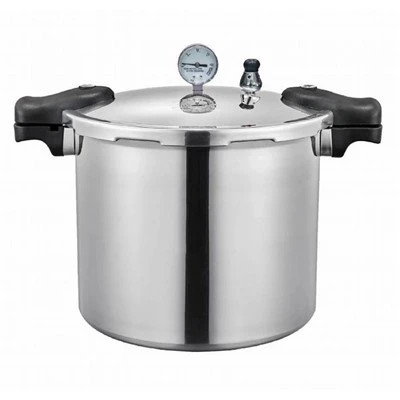
Now, let’s talk specifically about double handle polished pressure cookers. The double handle design isn’t just a cosmetic feature—its purpose is safety. Unlike single-handle models, double handles distribute weight evenly, making the pot stable when moving it off the stove, and ensuring the lid seals tightly to prevent steam leaks. The polished exterior? That’s a food-grade stainless steel finish, easy to clean, resistant to staining, and non-reactive, which means it won’t leach any chemicals into your baby’s bottles during the process. That’s important because cheap cookware can sometimes have coatings that break down with high heat, but our double handle polished models are constructed with 18/10 stainless steel, which is safe for repeated use with baby gear.
But here’s where the fine print matters. Not every pressure cooker is the same, and not every sterilization attempt works if you skip the steps. Let’s walk through the correct method, because I’ve also heard horror stories from parents who tried it and ended up with warped bottles or incomplete sterilization. First, you need to make sure your pressure cooker is in good working order. Check the gasket (the rubber ring around the lid) for cracks or tears—if it’s damaged, steam will escape, and you won’t get that 121°C temperature you need. Also, make sure the pressure regulator (the small weight or valve on top of the lid) is clear of food particles, so it can build and maintain pressure properly.
Next, prep your baby bottles correctly. Before putting them in the pressure cooker, wash each part (nipples, rings, bottles) with hot, soapy water and a bottle brush. Pressure cooking isn’t a replacement for cleaning first—if there’s milk residue caked on, it won’t sterilize properly, and the residue could create a strange smell or even grow bacteria despite the high heat. Once cleaned, disassemble all parts, place them in the pressure cooker’s basket (most double handle polished pressure cookers come with a stackable basket for easy organization—this is a game-changer so you don’t have to shove bottles in, which can block steam flow), and add about two inches of water to the bottom of the pot. Too much water and it will boil over and soak your bottles; too little and it will burn, and again, not build pressure.
Then, close the lid and lock it according to your pressure cooker’s instructions. For most double handle polished models, this means aligning the lid’s notches with the pot’s handles until it clicks into place. Turn the stove to high heat and wait for the pressure regulator to start hissing—this means the pot has reached full pressure. Once it’s hissing, lower the heat just enough to keep a gentle, steady hiss (don’t crank the heat, as that can waste energy and potentially damage the cooker’s seal). Set a timer for 10 minutes. That’s the sweet spot: 10 minutes at 121°C is enough to kill all the harmful germs on baby gear, without overheating or warping the plastic parts.
Now, the common mistakes parents make here are also things I can warn you about as a supplier. First, don’t use the “natural release” method. Natural release takes too long, and the pressure will drop before the timer is up, so you’re essentially just boiling the bottles instead of sterilizing them with pressure. Instead, do a quick release: carefully turn the pressure regulator to vent the steam, and wait until all the pressure is gone before opening the lid. Second, don’t put non-pressure-safe bottles in the cooker. Some older plastic bottles or cheap silicone nipples can warp at high pressure—stick to baby gear labeled “stovetop-safe” or “pressure-safe,” which most modern bottles are. Our customers often tell us they reuse the same basket we include with their double handle polished pressure cookers for this exact purpose, because it keeps small parts from falling into the water and makes retrieval easy.
I’ve also noticed that some parents worry about the sterilized bottles having a metallic taste. That’s a fair fear, especially with stainless steel cookware. But here’s the thing: if you use the right amount of water (two inches is perfect), and you don’t leave the bottles in the pressure cooker after releasing pressure, you won’t get that taste. The polished finish of our double handle pressure cookers is non-porous, so there’s no metal leaching into the water. If you do notice a faint taste, just rinse the bottles with a little warm water after sterilizing—they’ll be good to go, no leftover flavor.
Wait, but what about older babies? Once a baby starts solids, do they still need sterilization? According to pediatric organizations, sterilizing baby bottles is most critical for the first 6 to 12 months, when their immune system is still developing. After that, cleaning with hot soapy water is usually enough, but pressure cooking is still a quick, reliable way to deep clean if you’re worried about a germy day, like if your little one has been sick and you want to sanitize their feeding gear. That’s another benefit of a double handle polished pressure cooker—you’re not just limited to sterilizing bottles; you can also use it for canning, making large batches of baby food, or even tenderizing meat for your own meals, so it’s a multi-use tool that doesn’t collect dust in the cabinet.
I want to be honest here: there are some cases where a pressure cooker isn’t the best choice. If your pressure cooker is more than 10 years old, check the manufacturer’s instructions to make sure it’s still safe to use for baby gear—older gaskets might not seal as well, leading to inconsistent pressure. Also, if you’re planning to use it for sterilization every day, make sure you clean the pressure cooker thoroughly after each use, especially the gasket, to prevent milk or formula residue from building up. Our double handle polished models have a smooth, easy-to-wipe gasket, so that maintenance is quick—no scrubbing for hours like you might with a rough, unpolished pot.
As someone who’s talked to hundreds of parents over the years, I know how tempting it is to cut corners. But when it comes to your baby, the small steps matter. The good news is that using a double handle polished pressure cooker for sterilization is not only possible—it’s a practical, space-saving solution. You don’t have to buy a separate expensive steam sterilizer when you already have a tool that works just as well, if not better, because of the higher temperature from pressure cooking.
I’ve had customers tell me that after they started using their double handle pressure cooker for sterilizing bottles, they stopped having to replace warped or germy bottles as often, and it saved them time during those busy morning and nighttime feeding sessions. One mom even told me she uses the same pot to sterilize her baby’s bottles in the morning, then make oatmeal for herself at breakfast—two tasks in one, instead of having a separate sterilizer and a regular pot on the stove. That’s the kind of flexibility parents love, especially when they’re running on little sleep.
Of course, if you’re still unsure, it’s always a good idea to cross-check with your pediatrician, but the science backs it up: pressure cooking at 121°C for 10 minutes is a standard method for sterilizing baby equipment, and a well-maintained double handle polished pressure cooker is perfectly suited for that task. The key is following the steps correctly: clean first, use the basket, maintain steady pressure, do a quick release, and stick to the 10-minute timer.
Now, let’s talk about why choosing the right pressure cooker matters. As a supplier, I’ve seen that cheaper, single-handle pressure cookers might seem like a good deal, but they often have flimsy seals, inconsistent pressure, and a rough, hard-to-clean finish that can trap bacteria. Our double handle polished pressure cookers are designed with safety and durability in mind: the double handles mean you’re less likely to drop the pot when moving it hot, the polished stainless steel exterior resists rust and staining, and the pressure regulator is calibrated to maintain consistent pressure every time. That consistency is what makes all the difference for sterilization—if pressure fluctuates, you might not kill all the harmful germs.
At the end of the day, every parent wants what’s best for their baby, and that means choosing tools that are safe, effective, and easy to use. If you’ve been on the fence about using a double handle polished pressure cooker for sterilizing baby bottles, I hope this clears up the confusion. It’s a method that works, it’s budget-friendly, and it’s a great way to make use of a tool you already own.
If you’re interested in learning more about our double handle polished pressure cookers, or if you have additional questions about using them for baby bottle sterilization, feel free to reach out to discuss your needs. We’re here to help you find the right solution for your family.
Hard Anodized Pressure Cooker References
- American Academy of Pediatrics. (2023). Sterilization of Baby Feeding Equipment.
- World Health Organization. (2022). Guidelines for Safe Preparation and Storage of Infant Formula.
- USDA Food Safety and Inspection Service. (2021). Pressure Canning and Home Food Preservation.
- Journal of Pediatric Nursing. (2020). Effective Sterilization Methods for Neonatal Feeding Equipment.
- International Organization for Standardization. (2019). Food Service Equipment Safety Standards for Infant Products.
Guangzhou Shuangyuan Metal Products Co., Ltd.
As one of the leading double handle polished pressure cooker manufacturers and suppliers in China, we also support customized service. Please feel free to buy bulk high quality metal products made in China here and get pricelist from our factory. For price consultation, contact us.
Address: No. 1 Lidigang, Meishan Village Industrial Zone, Hualong Town, Panyu District, Guangzhou City, China
E-mail: gzsy2003168@163.com
WebSite: https://www.sy2003.com/
