Can Weighing Modules Be Used in Hazardous Areas? A Weighing Module Supplier’s Practical Guide Weighing Module
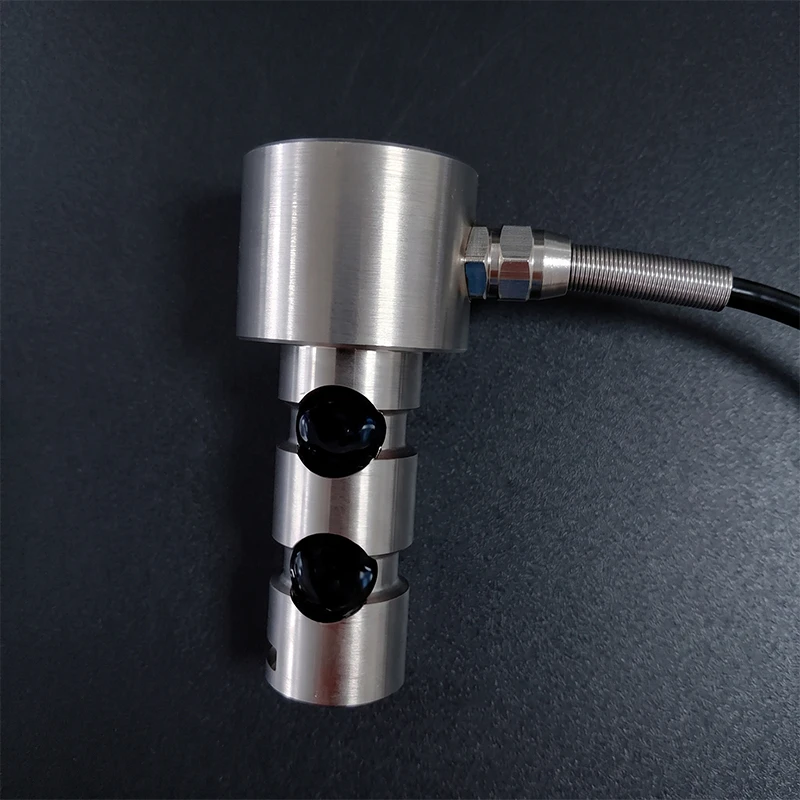
When my team and I started out as a weighing module supplier nearly 12 years ago, we assumed our customers’ biggest questions would center on precision, load capacity, or installation ease. Over the decades, however, one question has come up more than any other—one that often stumps even seasoned process engineers who’ve spent years working in industries like oil and gas, chemical manufacturing, or grain processing: “Can our hazardous area sites even use weighing modules?” For a long time, this was a loaded question, pun intended. Hazardous areas—defined by the presence of flammable gases, dust, or vapors that could ignite if exposed to a spark or overheated equipment—were once off-limits to almost all electronic weighing equipment, including load cells and their companion modules. Today, though, the answer isn’t a simple yes or no. It depends on a handful of critical factors: the specific classification of the hazardous area, the type of weighing module, and how it’s designed, installed, and maintained.
Let’s start with why hazardous areas are so strictly regulated. International standards like IEC 60079 (the global benchmark for explosive atmospheres) and regional frameworks like the U.S. NEC Article 505 or Canada’s CSA C22.2 No. 157 divide hazardous locations into zones based on how likely an ignitable substance is to be present. Zone 0, for example, is the most severe—where flammable gas is present continuously or for long periods. Zone 1 has ignitable conditions likely to occur in normal operation, and Zone 2 has them only occasionally, under abnormal conditions. Any electronic device used in these zones can’t produce a spark or reach a temperature high enough to ignite nearby materials. That’s the core challenge for weighing modules: they’re not just passive scales—they have electronic components (load cells, signal converters, wiring) that can generate heat or sparks if not engineered properly.
For years, the only options for hazardous area weighing were mechanical systems, which were slow, less precise, and impossible to integrate with digital process control systems. Then, around 2010, we started seeing the first intrinsically safe (IS) weighing modules hit the market, and that’s where we built our first line of compliant products. Intrinsic safety is a protection method that limits electrical energy (voltage and current) in a device to levels too low to ignite a specific explosive atmosphere. Every part of the module—from the load cell strain gauges to the circuit board connectors, to the cables linking it to a control system—has to be tested to prove it can’t produce a hazardous spark. Our team works closely with certified testing bodies every year to update our modules to stay aligned with evolving standards, because nothing is more important to our customers than compliance. That said, even intrinsic safety isn’t a one-size-fits-all solution. A module certified for Zone 2 areas won’t work in Zone 1, and a Zone 1-certified unit won’t cut it in Zone 0. We always make a point to ask customers for their site’s zone classification before recommending a product, because installing a non-compliant module can lead to fines, shutdowns, or worst-case, explosions.
Another protection method that’s gained traction for weighing modules is explosion-proof (or flameproof) enclosures. This is a different approach: instead of limiting energy inside the device, the enclosure is built to contain any internal explosion so it can’t ignite the surrounding atmosphere. The enclosure is made of thick, high-grade metal, with machined flanges that create a tight, gas-tight seal. We supply explosion-proof weighing modules for customers operating in Zone 1 and Zone 2 areas, typically in oil refineries where volatile hydrocarbon vapors are common. One thing we emphasize to customers here is that explosion-proof enclosures aren’t maintenance-free. Even a small scratch on the flange, or a loose bolt, can break the seal, making the enclosure useless. We train every client on how to inspect these seals during routine site audits, because we’ve seen too many companies skip that step and end up with unplanned downtime.
Of course, not all hazardous areas involve gases. Many food processing plants, flour mills, or woodworking facilities have dust explosion hazards—this is a zone classification that’s often overlooked, because people associate “hazardous areas” only with gases. Dust is trickier because it can settle on equipment, build up, and then become airborne if disturbed. Our team has had multiple conversations with grain elevator managers who thought their site was only “semi-hazardous” until we pointed out that fine grain dust meets all the criteria for an explosive atmosphere. For these locations, we supply weighing modules certified for dust hazardous zones (IEC 61241 standards), with enclosures that are sealed to prevent dust from entering, and components rated to avoid overheating that could ignite dust clouds. Last year, we worked with a pet food manufacturer in the Midwest that was using outdated weighing systems that regularly accumulated flour dust on their load cells—they switched to our dust-rated modules and cut their maintenance costs by 40% in the first year, because they no longer had to clean dust off electronic parts every shift.
Now, even if a weighing module itself is compliant, its installation and integration are just as critical. We’ve had customers who brought us a Zone 1-certified module and tried to install it in a Zone 0 area, or who connected it to a non-certified control system, which would add enough energy to create a spark. Another common mistake is using uncertified wiring. We always supply certified, flame-retardant cables with our modules, and we insist that customers work with a certified electrical contractor for installation, not a general maintenance team that doesn’t specialize in hazardous areas. We also provide a detailed installation manual with every module, including specific grounding instructions—bad grounding can cause static electricity buildup, which is a huge ignition risk in hazardous areas. A few years back, we had a small chemical plant customer whose maintenance team skipped grounding checks when installing our modules; a static discharge from an ungrounded cable sparked a small fire, and they were out of operation for three days. That incident became a case study for our team, and we now include a pre-installation checklist with every product to prevent that kind of error.
There’s also a middle-ground option for customers who don’t need full intrinsic safety or explosion-proof design: non-incendive weighing modules. Non-incendive is a U.S.-specific certification (per NEC Article 504) for devices that can’t ignite an explosive atmosphere under normal operating conditions, even if a small fault occurs. It’s less stringent than intrinsic safety, so it’s cheaper and easier to integrate with existing systems. That makes it a popular choice for Zone 2 areas, where ignitable substances are rare. But we always make sure to clarify with customers that non-incendive isn’t equivalent to intrinsically safe—if their site ever upgrades to Zone 1, a non-incendive module won’t meet the requirements. We’d rather recommend a slightly more expensive module upfront than have a customer have to replace equipment 18 months later because their operation expanded into a more hazardous zone.
One question we get a lot is: “Are there any limitations on weighing capacity for hazardous area modules?” For a long time, yes—the smallest, most sensitive modules were the only ones that could be made compliant, because they required less electrical energy. But over the past five years, advances in circuit design and materials have changed that. We now supply hazardous area weighing modules with capacities up to 50 tons, for large bulk material tanks and process vessels. That’s a big deal for industries like mining and chemicals, where they’ve had to use non-weigh-based level measurement systems (which are less precise) for decades. Our largest hazardous area module, installed at a Canadian oil sands facility last year, is used to measure the weight of bitumen in a 100-ton storage tank, with a precision of ±0.1%—a level of accuracy that was unheard of in hazardous area weighing just a decade ago.
Of course, we know that cost is a factor for every customer. Hazardous area equipment is always more expensive than standard equipment, and weighing modules are no exception. But we tell customers to look at the total cost of ownership, not just the upfront price. A non-compliant module might seem cheaper, but the risk of fines, shutdowns, or safety incidents can cost far more. Intrinsically safe modules, for example, have longer lifespans when properly maintained, because they’re engineered to withstand harsh hazardous area environments. We also offer flexible financing options for customers who need to upgrade multiple modules at once, and we provide free, no-obligation assessments of our customers’ site requirements to help them choose the right product without overspending.
At the end of the day, our job as a weighing module supplier isn’t just to sell a product—it’s to help customers operate safely and efficiently in hazardous areas. We’ve seen too many industries hold back on digital weighing because they thought it was too risky, and that’s why we invested so much time in testing and certification. The answer to “Can weighing modules be used in hazardous areas?” is yes, as long as you choose the right type for your zone, install it correctly, and maintain it properly. It’s not a gamble, it’s a matter of working with a supplier who understands the unique needs of hazardous area operations, and who stays up to date on all the latest standards and technologies.
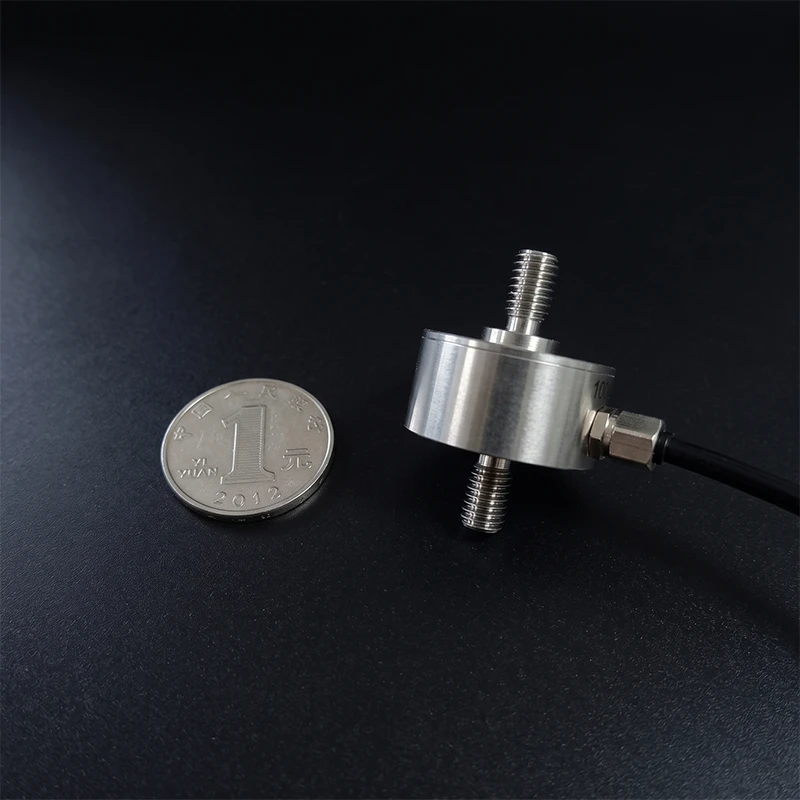
If you’re working on a project in a hazardous area and aren’t sure which weighing module is right for you, we’re here to help. We can walk you through your site’s zone classification, review your existing system, and recommend a solution that’s compliant, accurate, and tailored to your needs. Don’t take chances with safety or efficiency—reach out to our team to discuss your weighing module requirements today.
Weight Sensor References
- IEC 60079-0:2019, Explosive atmospheres – Part 0: Equipment – General requirements
- NEC Article 505:2023, Hazardous (Classified) Locations – Class I, Zone 0, Zone 1, and Zone 2
- CSA C22.2 No. 157-18, Explosion-Proof Enclosures for Electrical Equipment
- IEC 61241-0:2019, Explosive atmospheres – Part 0: Equipment – General requirements for use in combustible dust atmospheres
- Occupational Safety and Health Administration (OSHA), Hazardous Location Guidelines for Process Equipment, 2022
Shandong Leheng Instrument Co., Ltd.
Shandong Leheng Instrument Co., Ltd. is one of the most experienced weighing module manufacturers and suppliers in China. With abundant experience, we warmly welcome you to wholesale durable weighing module in stock here from our factory. All customized products are with high quality and low price.
Address: 320 Meters North of the Intersection of Industrial Fifth Road and Planning Second Road, Economic Development Zone, Yunzhou Subdistrict, Yuncheng County, Heze City, Shandong Province, China
E-mail: hanyaoxian126@163.com
WebSite: https://www.lehengmeter.com/
