If you’re an ag gearhead like me, you know bearings are the unsung heroes of your farm equipment—from combine headers chugging through harvest to tractors pulling plows through tillage. But here’s the thing: even the best ag bearings go kaput way too fast if you mess up their storage. As a bearings supplier who’s worked with hundreds of farmers, ag techs, and shop managers over the last 12 years, I’ve seen too much good equipment get sidelined because someone stashed a new set of bearings wrong. Today, I’m breaking down what actually works for ag bearing storage—no jargon, just stuff I’ve learned fixing and supplying bearings for real farms. Agriculture Bearings
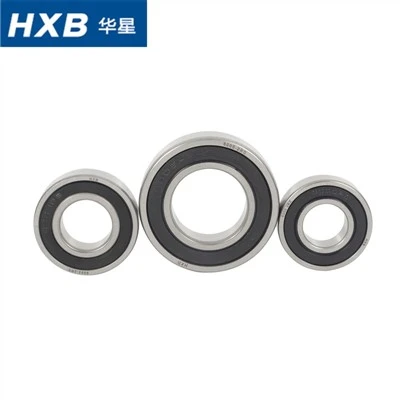
First off, let’s get one thing straight: ag bearings aren’t like your car’s spare parts. They’re built to handle dust, moisture, and sudden shocks out in the fields, but they’re super sensitive to two tiny, stupid things when they’re sitting on a shelf or in your shed: contamination and corrosion. Most new bearings come from the factory coated in a thin, oily preservative and wrapped in sealed packaging for a reason—pull ’em out of that early, and you’re already halfway to a shortened lifespan. I can’t tell you how many times a farmer’s brought in a “new” bearing that wouldn’t spin, only to realize they left it in a pile of seed corn or got dust blown in the garage. That’s avoidable.
Let’s start with the basics of where to store ’em. I’ve seen folks stuff bearings in tractor cabs, next to fertilizer piles, even in the back of a pickup that’s been sitting in the rain. Bad ideas. The ideal spot is dry, temperature-controlled, and off the ground. I’m not saying you need a climate-controlled warehouse in the middle of your cornfield—just don’t store ’em where the temp swings 40 degrees in a day, and definitely not where water can pool on the floor. Concrete floors are a no-go if they’re not elevated; condensation rises off concrete way more than you think, and that’s moisture on your bearings 24/7. A simple metal shelf a foot off the ground works, or even a stack of wooden pallets (make sure the pallets are clean—no moldy hay or leftover spray on ’em) keeps ’em out of damp. And for the love of all things harvest, don’t store ’em near chemicals. Fertilizer, herbicides, diesel fumes—those aren’t just bad for your lungs; they eat through the factory’s protective oil coating and get into the bearing’s tiny metal parts. I once had a customer who stored 20 new disc bearings next to a bag of anhydrous ammonia; by the time he went to install them, the rings were pitted so bad they had to scrap ’em. Total waste of cash.
Next, packaging—this is huge. Factory packaging isn’t just fancy wrapping; it’s a barrier against everything that breaks bearings down. Most new ag bearings come in either individual plastic bags with a rust-inhibiting (VCI) film or sealed cardboard boxes lined with that same VCI stuff. VCI is basically a chemical that keeps rust from forming, even if there’s a little moisture in the air. The mistake I see so many people make is cutting open that plastic bag right when they get the bearings, to “save space” or “check the part number.” Don’t do that! If you need to verify the part number, hold the bag up to the light—you can see the numbers through the plastic. Only open the packaging right before you’re ready to install the bearing. Even if you have 50 spares for next season, leave ’em sealed. If a bag gets ripped, wrap the bearing in wax paper (not regular paper—regular paper has oils that can cause corrosion) and stick it in a new VCI bag. I keep a stack of extra VCI bags in my shop just for that, and it’s saved so many customers from headaches.
What about handling? You’d think grabbing a bearing by the outer ring or inner race is fine, but nope—even tiny dents or scratches on the metal can turn into big problems when it’s spinning at 3,000 RPM in a combine. Don’t drop ’em, don’t set ’em on hard concrete without padding, and whatever you do, don’t pound on ’em with a hammer. I once watched a farmer tap a bearing onto a shaft with a mallet and ended up with a cracked inner ring—he thought it was a bad bearing out of the box, but it was his own rough handling. If you need to move a bunch of bearings, stack them carefully—don’t pile heavy tools on top of ’em. Even a 10-pound wrench can warp a bearing’s outer ring if it’s sitting on it for a month.
Wait, what about storage duration? Let’s say you buy bearings in the off-season, 6 months before you need ’em. Is that okay? Up to a year, yeah, if you store ’em right. But if you’re keeping ’em for longer—say, 2 years or more—you need to do a little extra. Every 6 months, go and check your stored bearings. Peel back the packaging a tiny bit, make sure the oil coating is still intact, and spin the inner ring a little. If it’s not smooth, that’s a sign corrosion is starting to set in. For long-term storage (over 18 months), some folks reapply the preservative oil. You don’t need a fancy industrial spray—just a light coat of mineral oil or the same type of grease that’s in the bearing, wipe off the excess, and wrap it back up. Don’t use thick, heavy grease; that’ll gum up the bearing when you try to install it.
Also, a quick note about different types of ag bearings. You’ve got radial bearings for wheels, thrust bearings for plows, spherical bearings for headers—they all have the same basic storage rules, but spherical bearings have a slightly bigger gap between the races, so they’re a little more prone to dust getting in. Make sure their packaging is extra tight, and don’t store ’em with heavy stuff pressing on the outer shell. If you’re dealing with sealed bearings (the ones with rubber or metal shields), don’t poke holes in the shields—those keep moisture and dirt out, so tampering with them ruins their protection. I’ve had some customers try to “clean” sealed bearings before storage, and they end up ruining the seal—big mistake.
Now, let’s talk about the mistakes I see all the time, because I want you to avoid these. Number one: storing bearings in a toolbox that gets opened and closed a lot. Every time you yank a wrench out or a bolt falls out, dust and moisture get in there. Number two: mixing new and old bearings. If you have a bearing that’s been sitting for 3 years and a new one, don’t store them together—they can transfer oils or moisture. Number three: ignoring the “store upright” note. Some bearings, especially tapered roller bearings, need to be stored standing on their inner race, not on their side. If you lay a tapered bearing flat for months, the weight of the outer ring can cause a flat spot on the rollers, which will make the bearing vibrate and break early. That’s such a simple detail, but so many people miss it.
So, what’s the quick checklist for proper ag bearing storage? Let’s break it down in 5 easy steps: 1. Pick a cool, dry, elevated spot away from chemicals and extreme temps. 2. Leave factory packaging sealed until right before installation. 3. Handle carefully—no dropping, no banging, no stacking heavy stuff. 4. Check every 6 months if storing long-term. 5. For tapered bearings, store them upright, not flat.
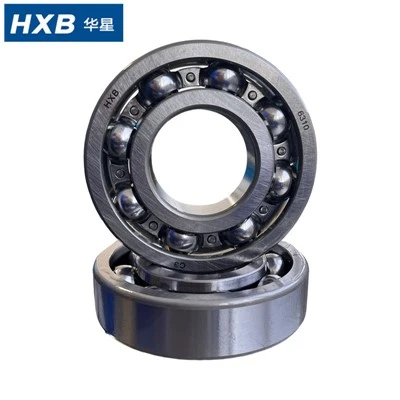
As an ag bearings supplier, this stuff matters to me because I don’t just sell parts—I want your equipment to run when you need it, whether that’s planting season or harvest. I’ve seen farmers lose hours, even days, because a “new” bearing was ruined by bad storage, and that’s money out of your pocket and stress no one needs. If you’re stocking up for next season, have a question about a specific bearing, or just need a recommendation for the right storage supplies, hit us up. We’re here to help you keep your farm rolling, not stuck on the side of the field.
Precision Angular Contact Ball Bearings References: Agricultural Bearings Storage Guidelines, National Agri-Marketing Association; Bearing Preservation and Storage, American Bearing Manufacturers Association; Farm Equipment Parts Storage Best Practices, North American Equipment Dealers Association.
Hangzhou Huaxing Kechuang Holding Group Co., Ltd.
Hangzhou Huaxing Kechuang Holding Group Co., Ltd. is one of the leading manufacturers and suppliers of agriculture bearings in China, featured by quality products and good service. Please rest assured to buy bulk durable agriculture bearings from our factory. Welcome to view our website for more information.
Address: No.553 Yingbin Road, Linping, Hangzhou, 311100, China
E-mail: wmb@huaxingbearing.com
WebSite: https://www.hxbbearing.com/
