As a seasoned supplier in the stage socket industry, I’m thrilled to share with you the intricate production process of a stage socket. This journey from raw materials to a fully functional product is a blend of precision engineering, quality control, and innovation. Stage Socket
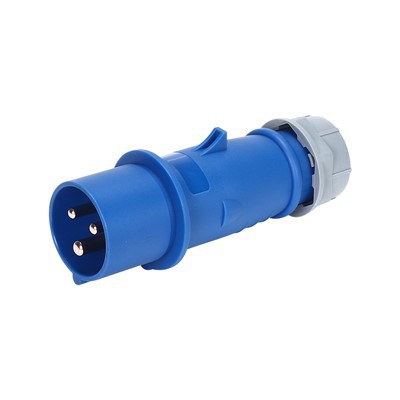
Raw Material Sourcing
The production of a stage socket begins with the careful selection of raw materials. The primary components include high – grade plastics for the casing and conductive metals such as copper or brass for the electrical contacts.
For the plastic casing, we source materials that are not only durable but also have excellent fire – retardant properties. This is crucial as stage environments often involve high – power electrical equipment and lighting, and safety is of utmost importance. The plastics are typically in the form of granules, which are easy to handle and process during the manufacturing phase.
The conductive metals are chosen for their high electrical conductivity and resistance to corrosion. Copper is a popular choice due to its superior conductivity, which ensures minimal power loss during the transmission of electricity. The metal is sourced in the form of rods or sheets, depending on the specific requirements of the socket design.
Injection Molding of the Casing
Once the raw materials are sourced, the first step in the production process is the injection molding of the plastic casing. This process involves heating the plastic granules until they reach a molten state. The molten plastic is then injected into a precisely designed mold under high pressure.
The mold is created using advanced computer – aided design (CAD) and computer – aided manufacturing (CAM) techniques. It is designed to replicate the exact shape and dimensions of the stage socket casing. After the plastic is injected into the mold, it is allowed to cool and solidify. This process usually takes a few minutes, depending on the size and complexity of the casing.
Once the plastic has solidified, the mold is opened, and the newly formed casing is ejected. The casing is then inspected for any defects such as cracks, warping, or incomplete filling. Any defective casings are discarded, and only the ones that meet our strict quality standards proceed to the next stage of production.
Manufacturing of Electrical Contacts
While the casing is being produced, the electrical contacts are being manufactured. The conductive metal rods or sheets are first cut into the appropriate sizes and shapes using precision cutting tools. These tools ensure that the contacts are of the correct dimensions and have smooth edges.
After cutting, the contacts undergo a series of machining operations. This may include drilling holes for screws or pins, stamping to create the necessary electrical connections, and bending to achieve the desired shape. These operations are carried out with high precision to ensure that the contacts fit perfectly inside the socket casing and provide a reliable electrical connection.
Once the machining is complete, the contacts are plated with a thin layer of a precious metal such as silver or gold. This plating not only enhances the electrical conductivity but also provides protection against corrosion. The plating process is carefully controlled to ensure a uniform and consistent coating.
Assembly of the Stage Socket
With the casing and electrical contacts ready, the next step is the assembly of the stage socket. This is a meticulous process that requires skilled workers. The electrical contacts are first inserted into the casing in the correct positions. They are then secured using screws, pins, or other fastening methods.
During the assembly process, additional components such as insulation materials and grounding wires are also added. The insulation materials are used to prevent electrical short – circuits and ensure the safety of the users. The grounding wires are connected to the electrical contacts and the casing to provide a path for electrical current in case of a fault.
After the components are assembled, the socket is tested for electrical continuity and insulation resistance. This is done using specialized testing equipment. Any sockets that fail the tests are disassembled, and the faulty components are replaced. Only the sockets that pass the tests are considered ready for the next stage.
Quality Control and Finishing
Quality control is an ongoing process throughout the production of the stage socket. After the assembly and testing, the sockets undergo a final inspection. This inspection includes a visual check for any cosmetic defects such as scratches or blemishes on the casing.
The sockets are also tested for their mechanical properties, such as the tightness of the screw connections and the durability of the casing. They are subjected to a series of stress tests to ensure that they can withstand the rigors of stage use.
Once the sockets pass all the quality control checks, they are given a final finish. This may include cleaning the casing, applying a protective coating, and labeling the socket with important information such as the voltage rating, current capacity, and safety instructions.
Packaging and Distribution
After the finishing touches, the stage sockets are carefully packaged. The packaging is designed to protect the sockets during transportation and storage. It usually includes a cardboard box or a plastic container with appropriate cushioning materials.
The packaged sockets are then stored in a warehouse until they are ready for distribution. We work with a network of distributors and retailers to ensure that our stage sockets reach customers all over the world. Our distribution process is efficient and reliable, ensuring that the sockets are delivered to the customers in a timely manner.
Why Choose Our Stage Sockets
Our stage sockets are the result of years of experience and expertise in the industry. We use only the highest quality raw materials and the latest manufacturing techniques to ensure that our products are of the highest standard.
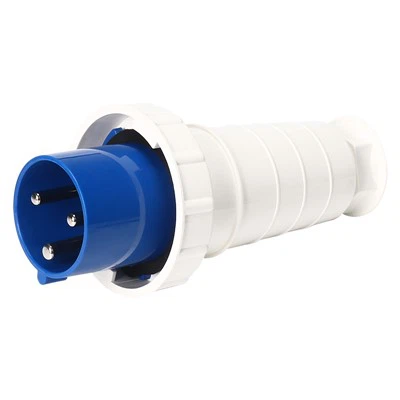
Our commitment to quality control means that every stage socket that leaves our factory is tested and inspected to ensure that it meets or exceeds industry standards. We also offer a wide range of stage sockets to meet the diverse needs of our customers, whether they are for small – scale events or large – scale concerts.
Wall Mount Industrial Socket If you are in the market for high – quality stage sockets, we invite you to contact us for a purchase negotiation. Our team of experts is ready to assist you in finding the right stage sockets for your specific requirements. We look forward to working with you to provide the best stage socket solutions for your events.
References
- "Electrical Engineering Handbook", CRC Press
- "Plastics Processing Technology", Hanser Publications
- "Manufacturing Processes for Engineering Materials", Pearson Education
Zhejiang Hefeng Electric Co., Ltd.
Address: Wenzhou Daqiao Industrail Park, Beibaixiang Town, Yueqing City, Zhejiang Province, China
E-mail: hefengplug@chinahfe.com
WebSite: https://www.hfcee.com/
