Hey there! I’m a supplier of pellet machines, and today I wanna chat about the wear rate of a pellet machine’s components. It’s a topic that’s super important for anyone in the market for a pellet machine, whether you’re a small – scale farmer or a big – time industrial operator. Pellet Machine

Let’s start with the basics. A pellet machine is a nifty piece of equipment that compresses biomass materials like wood chips, sawdust, straw, and grass into small, uniform pellets. These pellets are used for heating, animal feed, and even as a source of biofuel. But like any machine, the components of a pellet machine experience wear and tear over time.
The Main Components and Their Wear Rates
Die and Roller
The die and the roller are probably the most critical components of a pellet machine. The die is a circular plate with holes, and the roller presses the biomass material through these holes to form pellets.
The wear rate of the die and roller is highly dependent on the type of material being processed. If you’re using hard, abrasive materials like hardwood sawdust or rice husks, the wear will be much faster compared to softer materials like grass or corn stalks. On average, with normal use of moderately abrasive materials, the die might need to be replaced every 300 – 500 hours of operation. The roller, on the other hand, usually lasts a bit longer, around 500 – 800 hours.
But it’s not just the material that affects wear. The quality of the die and roller also plays a huge role. High – quality dies and rollers made from special alloys can withstand more abrasion and have a lower wear rate. Cheaper, lower – quality ones will wear out much quicker.
Feeder System
The feeder system is responsible for transporting the raw material into the pelletizing chamber. It usually consists of a conveyor belt or a screw feeder.
The wear rate of the feeder system is relatively low compared to the die and roller. The conveyor belt might experience some wear on the edges and the surface, especially if the material is sharp or has a lot of debris. With proper maintenance, like regular cleaning and tension adjustment, a conveyor belt can last for several thousand hours.
The screw feeder, if it’s made of good – quality steel, can also have a long lifespan. However, if the material is sticky or contains large particles, it can cause more wear on the screw blades. In general, the screw feeder might need some minor repairs or part replacements every 1000 – 1500 hours.
Gearbox
The gearbox is what transfers power from the motor to the different parts of the pellet machine. It’s a complex piece of machinery with multiple gears and bearings.
The wear rate of the gearbox is closely related to the quality of the lubricant and the operating conditions. If the gearbox is well – lubricated and the machine is not overloaded, the gears and bearings can last for a long time. But if there’s a lack of lubrication or the machine is constantly running at high loads, the wear can be significant. On average, with proper maintenance, the gearbox might need a major overhaul every 3000 – 5000 hours.
Motor
The motor provides the power for the pellet machine. It’s a relatively reliable component, but it still experiences some wear.
The wear on the motor is mainly due to heat and vibration. If the motor is overheated or if there’s excessive vibration, it can cause the bearings and windings to wear out. With normal use and proper ventilation, a motor can last for tens of thousands of hours. However, if the machine is used in a harsh environment or if there are power surges, the lifespan of the motor can be significantly reduced.
Factors Affecting Wear Rate
Material Quality
As I mentioned earlier, the quality of the raw material has a huge impact on the wear rate. Materials with high silica content, like rice husks, are very abrasive and can quickly wear out the die and roller. On the other hand, materials like softwood sawdust are much less abrasive and cause less wear.
Operating Conditions
The way the pellet machine is operated also affects the wear rate. Running the machine at high speeds or overloading it can increase the stress on the components and lead to faster wear. For example, if the feeder system is feeding too much material into the pelletizing chamber, the die and roller will have to work harder, which can accelerate wear.
Maintenance
Proper maintenance is crucial for reducing the wear rate of a pellet machine’s components. Regular cleaning, lubrication, and inspection can catch small problems before they become big ones. For example, cleaning the die and roller after each use can prevent the build – up of material, which can cause uneven wear.
How to Reduce Wear Rate
Choose the Right Material
If possible, try to use materials that are less abrasive. You can also mix different materials to reduce the overall abrasiveness. For example, mixing softwood sawdust with a small amount of hardwood sawdust can be a good compromise.
Operate the Machine Correctly
Follow the manufacturer’s instructions for operating the pellet machine. Don’t overload the machine, and make sure the feeder system is working properly. Also, avoid running the machine at high speeds for extended periods.
Maintain the Machine Regularly
Clean the machine after each use, lubricate the moving parts as recommended, and inspect the components for signs of wear. Replace worn – out parts as soon as possible to prevent further damage.
Why It Matters for You
As a customer, understanding the wear rate of a pellet machine’s components is really important. It can help you plan for maintenance and replacement costs. If you know that the die will need to be replaced every few hundred hours, you can budget for it in advance.
It also helps you choose the right pellet machine. A machine with components that have a lower wear rate will generally be more cost – effective in the long run, even if it costs a bit more upfront.
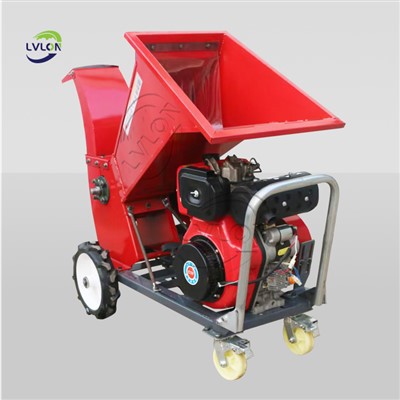
So, if you’re in the market for a pellet machine, don’t just look at the price. Consider the wear rate of the components and the overall durability of the machine.
Incubators If you’re interested in learning more about our pellet machines or have any questions about wear rates and maintenance, feel free to reach out. We’re here to help you make the best decision for your needs. Whether you’re a newbie in the pellet – making business or a seasoned pro, we’ve got the right machine for you. Let’s have a chat and see how we can work together to get you the most out of your pellet – making investment.
References
- "Pellet Machine Handbook" – A comprehensive guide on pellet machines and their operation.
- Industry reports on biomass pellet production and equipment wear.
Henan Lvlon Industrial Co., Ltd.
We’re well-known as one of the leading pellet machine suppliers in China, featured by quality products and good price. Please rest assured to buy high-grade pellet machine for sale here from our factory. Welcome to view our website for more information.
Address: Unit 5, 5th Floor, Building 11, No. 18 Dongfeng Road, Jinshui District, Zhengzhou City, Henan Province.
E-mail: lvlonxu@gmail.com
WebSite: https://www.lvlonmachinery.com/
