Adjusting the tension of the welding wire during the winding process is a critical aspect of producing high – quality welding wire products. As a supplier of Welding Wire Winding Machinery, I have witnessed firsthand the impact of proper tension adjustment on the overall performance and quality of the winding process. In this blog, I will share some insights on how to adjust the tension of the welding wire during the winding process. Welding Wire Winding Machinery
Understanding the Importance of Welding Wire Tension
Before delving into the adjustment methods, it’s essential to understand why maintaining the right tension is so crucial. Proper tension ensures that the welding wire is wound evenly and tightly on the spool. If the tension is too loose, the wire may become disorganized on the spool, leading to tangles and uneven feeding during the welding operation. On the other hand, if the tension is too high, it can cause the wire to break, damage the wire surface, or even put excessive stress on the winding machinery.
Factors Affecting Welding Wire Tension
Several factors can influence the tension of the welding wire during the winding process.
Wire Properties
The material, diameter, and surface condition of the welding wire play a significant role in determining the appropriate tension. For example, thinner wires generally require lower tension compared to thicker ones. Wires made of different materials may also have different elastic properties, which affect how they respond to tension. A softer material may require less tension to prevent breakage, while a harder material can withstand higher tension.
Winding Speed
The speed at which the wire is wound onto the spool is another important factor. Faster winding speeds typically require higher tension to keep the wire in place and prevent it from loosening. However, if the tension is not adjusted properly with the winding speed, it can lead to issues such as wire breakage or uneven winding.
Spool Design
The design of the spool, including its size, shape, and the way it is mounted on the winding machinery, can affect the wire tension. A spool with a larger diameter may require different tension settings compared to a smaller one. The smoothness of the spool surface also matters, as a rough surface can cause increased friction and affect the tension distribution.
Methods for Adjusting Welding Wire Tension
Mechanical Tensioners
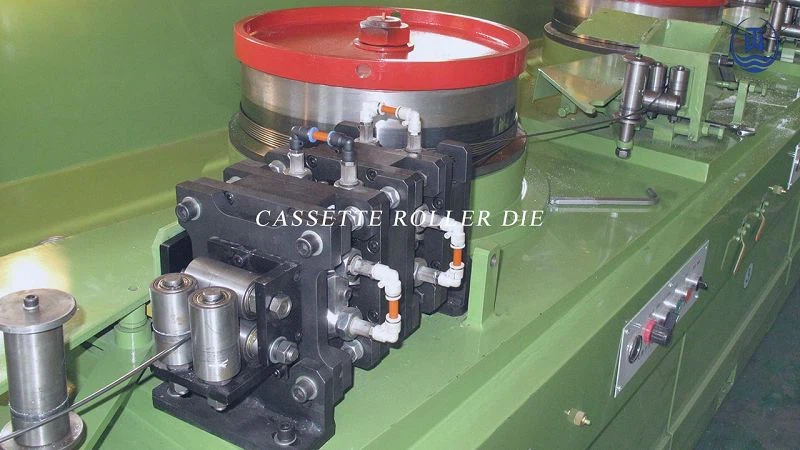
Mechanical tensioners are one of the most common ways to adjust the tension of the welding wire. These devices use springs, brakes, or other mechanical components to apply a specific amount of force to the wire. By adjusting the settings on the mechanical tensioner, such as tightening or loosening a spring, the operator can increase or decrease the tension.
For example, a simple spring – loaded tensioner can be adjusted by turning a screw to change the compression of the spring. As the spring is compressed more, it applies greater force to the wire, increasing the tension. Conversely, loosening the screw reduces the spring compression and lowers the tension.
Electronic Tension Controllers
In more advanced winding machinery, electronic tension controllers are often used. These controllers use sensors to measure the tension of the wire in real – time and adjust it automatically. They can be programmed to maintain a specific tension level, even as the winding speed or other factors change.
The electronic tension controller works by receiving signals from the tension sensor and then adjusting the drive motor or other components of the winding machinery to maintain the desired tension. This provides a more precise and consistent tension control compared to mechanical methods.
Manual Adjustment
In some cases, manual adjustment may still be necessary, especially during the initial setup or when dealing with special requirements. Operators can visually inspect the wire on the spool and make small adjustments to the tension based on their experience. For example, if the wire appears too loose, the operator can increase the tension slightly by tightening a tensioning device.
Step – by – Step Guide to Adjusting Welding Wire Tension
Step 1: Initial Setup
Before starting the winding process, it’s important to set the initial tension based on the wire properties and the requirements of the winding operation. Refer to the manufacturer’s guidelines for the recommended tension range for the specific type and diameter of the welding wire.
Step 2: Start Winding
Begin the winding process at a slow speed. This allows you to observe the wire’s behavior on the spool and make any necessary adjustments without causing significant issues.
Step 3: Monitor the Tension
Use a tension meter or other monitoring tools to measure the tension of the wire during the winding process. If the tension is outside the desired range, make adjustments using the appropriate tensioning device.
Step 4: Make Fine – Tuning Adjustments
As the winding progresses, make small, incremental adjustments to the tension to ensure that it remains consistent. This may involve adjusting the mechanical tensioner or the settings on the electronic tension controller.
Step 5: Check for Quality
Periodically stop the winding process and inspect the spool to ensure that the wire is wound evenly and tightly. Look for any signs of tangles, loose wire, or uneven winding. If any issues are found, make further adjustments to the tension.
Troubleshooting Common Tension – Related Issues
Loose Wire on the Spool
If the wire is too loose on the spool, it may be due to insufficient tension. Check the tensioning device and increase the tension slightly. Make sure that the spool is properly mounted and that there are no obstructions or irregularities that could cause the wire to loosen.
Wire Breakage
Wire breakage can occur if the tension is too high. Lower the tension gradually and check for any sharp edges or rough surfaces in the winding path that could be causing the wire to break. Also, ensure that the wire is not being pulled at an angle, which can increase the stress on the wire.
Uneven Winding
Uneven winding can be caused by inconsistent tension or improper spool alignment. Check the tension settings and make sure that the spool is centered and rotating smoothly. If necessary, adjust the tension to ensure that the wire is wound evenly across the spool.
Conclusion
Adjusting the tension of the welding wire during the winding process is a complex but essential task. By understanding the factors that affect tension, using the appropriate adjustment methods, and following a step – by – step approach, you can ensure that the welding wire is wound evenly and tightly, resulting in high – quality products.
Welding Wire Winding Machinery As a supplier of Welding Wire Winding Machinery, we are committed to providing our customers with the best – in – class equipment and support to help them achieve optimal tension control. If you are looking for reliable welding wire winding solutions or have any questions about tension adjustment, please feel free to contact us. We are more than happy to discuss your specific requirements and provide you with professional advice.
References
- Welding Wire Handbook, published by a leading industry association.
- Technical manuals of our Welding Wire Winding Machinery.
- Industry research papers on welding wire winding and tension control.
Three Water Machinery Co., Ltd.
Three Water Machinery Co., Ltd. is one of the most reliable manufacturers and suppliers of welding wire winding machinery in China. With abundant experience, we warmly welcome you to buy advanced equipment for sale here and get quotation from our factory. Contact us for more details.
Address: No.15, Jiaye Road, Liuanzhuang Industrial park, Beichen District, Tianjin, China
E-mail: sales@eqet.com
WebSite: https://www.eqet.com/
